


By Afribraz Global Business Magazine
Along the sunlit coastlines of Central America and the Caribbean lives a people whose story remains one of the most extraordinary—and least told—within the global African diaspora. They are the Garifuna: a community born not from submission, but from resistance, unity, and cultural brilliance.
For readers of Afribraz Global Business Magazine, the Garifuna are more than a cultural curiosity—they are a powerful reminder of the deep, often hidden connections linking Africa, Brazil, and the wider Atlantic world.
Origins: A People Forged by History and Resistance
The story of the Garifuna begins in the 17th century on the Caribbean island of St. Vincent. There, West Africans—many believed to be survivors of shipwrecks or escaped from slavery—joined forces with Indigenous Carib and Arawak populations.
What emerged was not just coexistence, but a new identity, a people who would go on to resist European colonization with remarkable determination.
After prolonged conflict with British forces, the Garifuna were forcibly exiled in 1797 to the island of Roatán, off the coast of Honduras. From that point, they spread along the Caribbean shores of:
- Honduras
- Belize
- Guatemala
- Nicaragua
Despite displacement, they carried with them something stronger than territory: their identity.
Language: A Living Memory of Their Journey
The Garifuna language is one of the most unique linguistic expressions in the world. It is a rich blend of:
- Indigenous Arawakan roots
- Cariban influence
- African linguistic heritage
- European elements from colonial contact
More than just words, the language serves as a living archive of history and survival. Recognizing its importance, UNESCO has declared Garifuna language, music, and oral traditions a Masterpiece of the Intangible Cultural Heritage of Humanity.

Culture: Where Rhythm Meets Spirit
Garifuna culture is deeply expressive, vibrant, and spiritual—anchored in rhythm, storytelling, and ancestral connection.
Music and Dance
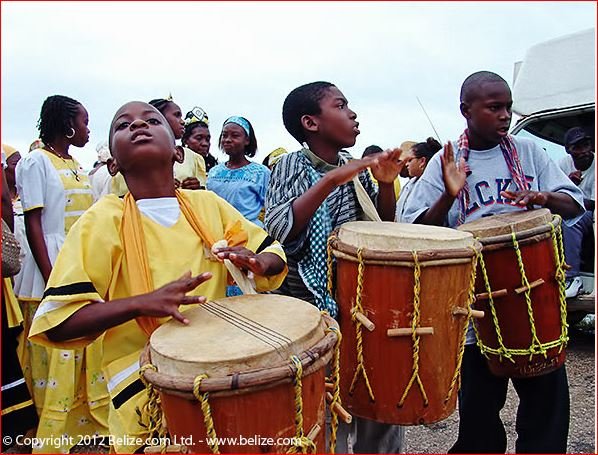
At the heart of Garifuna identity lies music. Driven by traditional drums such as the primero and segunda, their sound is both ancestral and contemporary.
The globally recognized Punta rhythm is energetic, precise, and celebratory—often performed during festivals and social gatherings. Meanwhile, Paranda music offers a more reflective tone, blending storytelling with melody.
Spiritual Life
Garifuna spirituality is a powerful fusion of African and Indigenous beliefs, interwoven with elements of Christianity. Central to this is the reverence for ancestors.
Ceremonies such as the Dügü are sacred gatherings that honor the spirits of the departed, reinforcing unity between the living and the ancestral world.
Cuisine
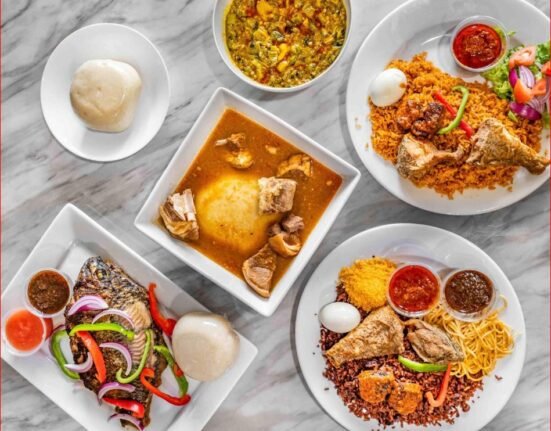
Garifuna cuisine reflects both land and sea, tradition and adaptation. Staples include:
- Cassava (yuca) bread
- Coconut-infused soups and stews
- Fresh seafood
Food is not merely sustenance—it is heritage served on a plate.
Pride, Beauty, and Identity
The Garifuna embody a powerful sense of pride rooted in survival and cultural preservation.
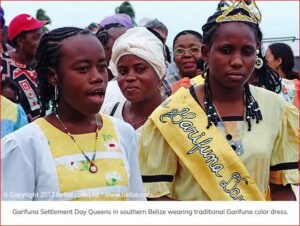
Their beauty is visible in their vibrant attire, rhythmic movement, and expressive traditions—but it runs deeper. It is found in:
- Their unwavering cultural identity
- Their respect for elders and ancestors
- Their determination to preserve their heritage in a rapidly changing world
In an age where many cultures face erosion, the Garifuna stand as a symbol of continuity and strength
Love, Community, and Collective Strength
Garifuna society is built on strong communal values. Family extends beyond the household, and community bonds are essential.
Love is expressed not only through words, but through:
- Shared responsibilities
- Collective celebrations
- Oral traditions passed from generation to generation
Even in diaspora communities, particularly in the United States, the Garifuna continue to preserve their traditions through festivals, language, and cultural education.
Opportunities: Culture as Economic Power
Beyond cultural richness, the Garifuna represent untapped opportunities for global engagement—especially for investors and cultural partners across Africa and Brazil.
Key areas of potential include:
- Cultural tourism along the Caribbean coast
- Music and creative industries
- Diaspora partnerships and heritage projects
- Culinary ventures and gastronomy experiences
For Afribraz readers, this presents a unique opportunity to engage with a community where culture and economic potential intersect.
A Bridge Between Continents
The Garifuna story is, at its core, a story of connection—between Africa, the Caribbean, and the Americas.
They are a living bridge, reminding us that the African diaspora is not a single narrative, but a tapestry of identities shaped by history, resilience, and creativity.
Final Reflection
In a world increasingly shaped by globalization, the Garifuna offer a powerful lesson: true progress does not require the loss of identity.
Their story challenges us to rethink the value of culture—not as something of the past, but as a foundation for the future.
For Afribraz Global Business Magazine, highlighting voices like the Garifuna is not just storytelling—it is a commitment to uncovering the hidden forces shaping the global African and Afro-descendant experience.



Leave feedback about this