


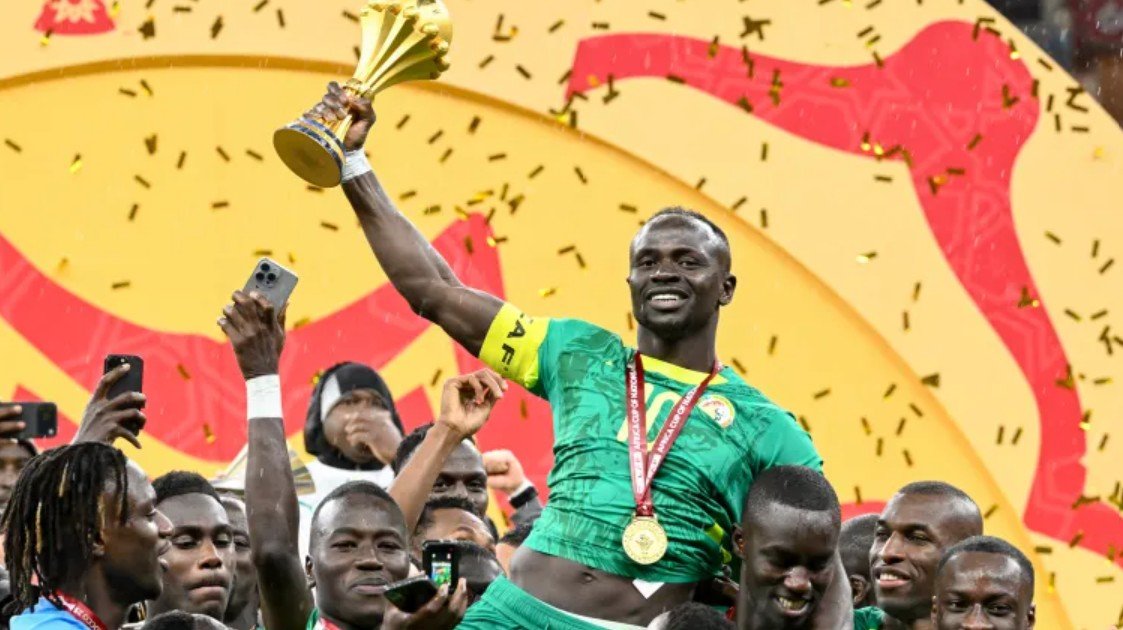
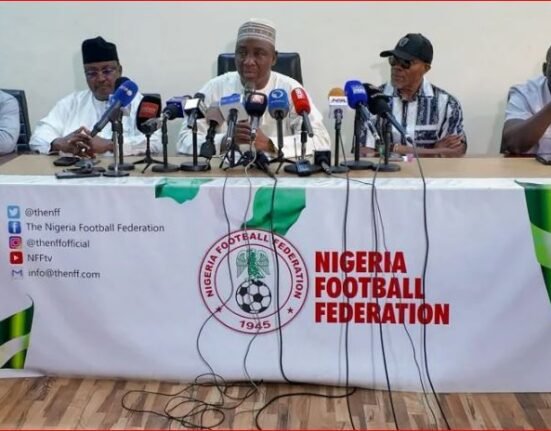
The integrity of African football is once again under intense scrutiny following the controversial decision by the Confederation of African Football (CAF) to overturn the outcome of a fiercely contested Africa Cup of Nations (AFCON) final—initially celebrated as a victory for Senegal but later awarded to Morocco under disputed circumstances.
For many observers—from seasoned analysts to everyday football fans—the decision has sparked confusion, disbelief, and a fundamental question: What really happened behind the scenes?
A Decision That Defies Football Logic
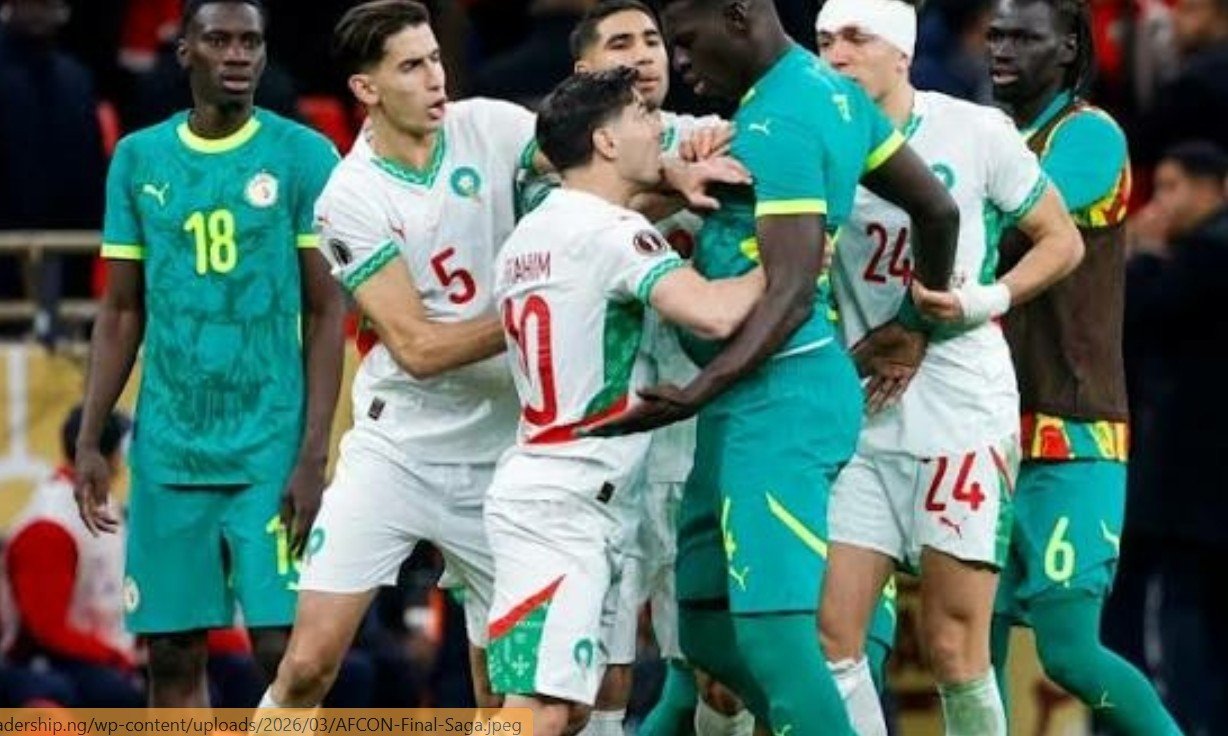
Football, at its core, is governed by rules, transparency, and fair competition. When a result on the pitch is reversed off the pitch, it must be backed by overwhelming clarity and evidence. In this case, CAF’s justification has not fully satisfied stakeholders.
Supporters across Africa are asking:
- Was there a procedural error significant enough to nullify the match result?
- Why was the decision not immediately clarified with full transparency?
- Were all parties given equal opportunity to present their case?
The absence of clear communication has fueled speculation and eroded trust.
Credibility on the Line
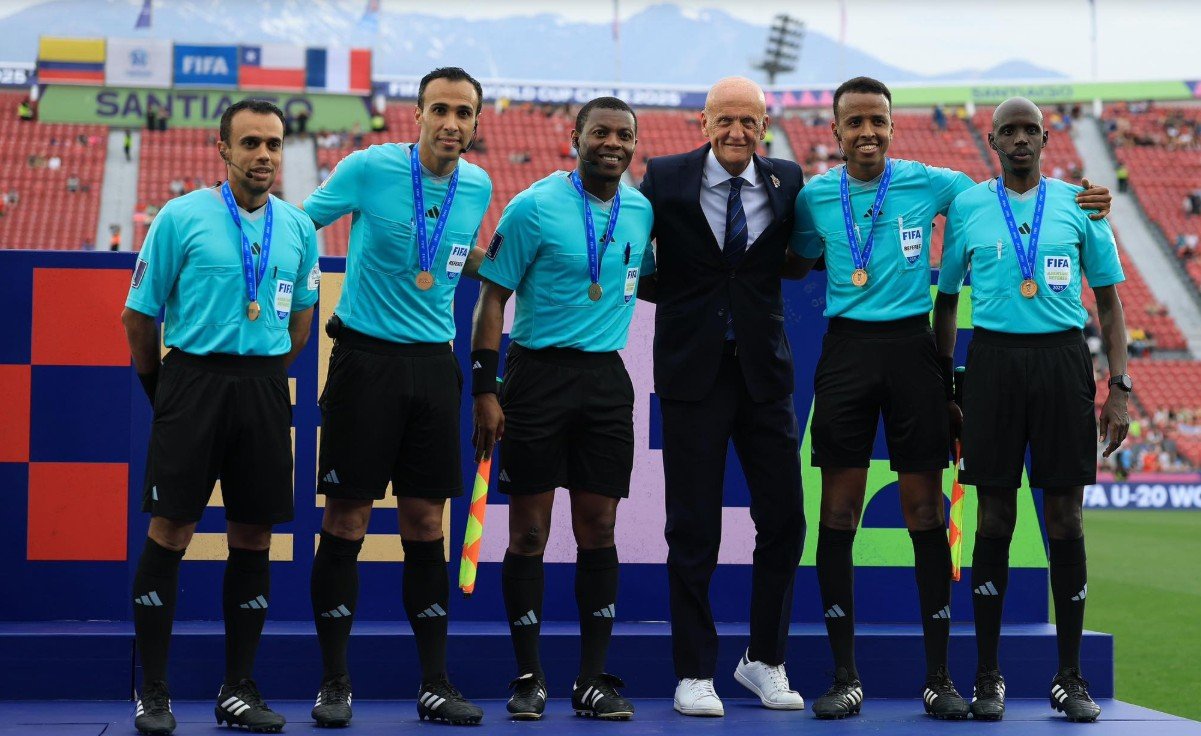
CAF has long struggled with governance and perception issues, often compared unfavorably to bodies like UEFA or FIFA.
This latest controversy risks deepening that credibility gap.
For African football to compete globally—not just on the field but in administration—it must project:
- Consistency in decision-making
- Transparency in disciplinary processes
- Independence from political or national influence
Without these, even legitimate decisions risk being dismissed as biased.
The Morocco Question: Influence or Coincidence?
A growing narrative among fans and commentators suggests that Morocco’s rising influence in African football may have played a role. In recent years, Morocco has:
- Invested heavily in football infrastructure
- Strengthened its political and sporting alliances across Africa
- Successfully hosted major tournaments and bid for global events
This influence, while commendable in development terms, has led critics to question whether it translates into undue leverage within CAF decision-making circles.
At present, there is no publicly confirmed evidence that Morocco exerted direct pressure on CAF. However, the lack of transparency surrounding the decision leaves room for suspicion—and in governance, perception can be as damaging as reality.
The Women’s AFCON Factor: A Subtle Pressure Point?
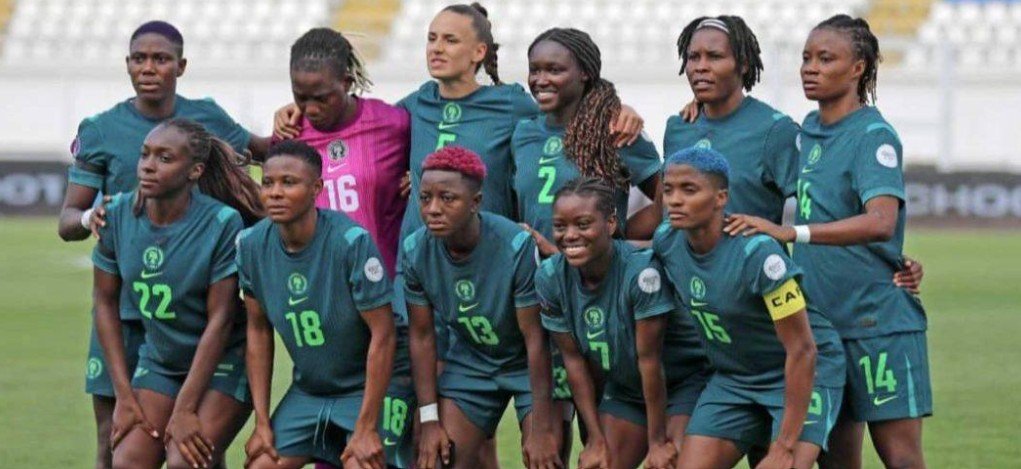
Another dimension raising eyebrows is the status of the upcoming Women’s Africa Cup of Nations (WAFCON), which has already experienced uncertainty and postponements in recent cycles.
Speculation has emerged:
- Could there have been implicit pressure tied to hosting rights or tournament commitments?
- Was CAF navigating broader political or logistical tensions involving Morocco?
Again, no official link has been established between the AFCON decision and WAFCON scheduling concerns. However, the timing and regional dynamics make the question difficult to ignore.
If such leverage—direct or indirect—were ever proven, it would represent a serious governance breach with long-term implications for African football.
The Bigger Picture: Governance vs Growth
African football is at a critical crossroads. On one hand, there is undeniable progress:
- Increased global visibility
- Rising player quality
- Stronger commercial opportunities
On the other hand, governance controversies continue to undermine these gains.
CAF must understand that: Football credibility is not built solely on talent—it is built on trust.
What CAF Must Do Next
To restore confidence, CAF should urgently:
- Publish a detailed, independent report explaining the decision
- Ensure third-party oversight in major disciplinary rulings
- Standardize decision protocols to avoid inconsistencies
- Engage openly with fans, media, and stakeholders
Silence or vague statements will only deepen suspicion.
Conclusion: A Defining Moment for African Football
This controversy is bigger than one match or one trophy. It is about the future integrity of African football governance.
If CAF fails to address these concerns decisively, it risks:
- Alienating fans
- Discouraging investment
- Weakening Africa’s position in global football
But if handled correctly, this moment could become a turning point—a chance to rebuild trust and establish a new standard of accountability.
For now, the question remains in the minds of millions:
Was this simply a controversial decision… or a symptom of a deeper problem within African football governance?
Afribraz Global Business Magazine will continue to monitor developments and provide in-depth analysis on governance, sports, and Africa’s global positioning.



Leave feedback about this