


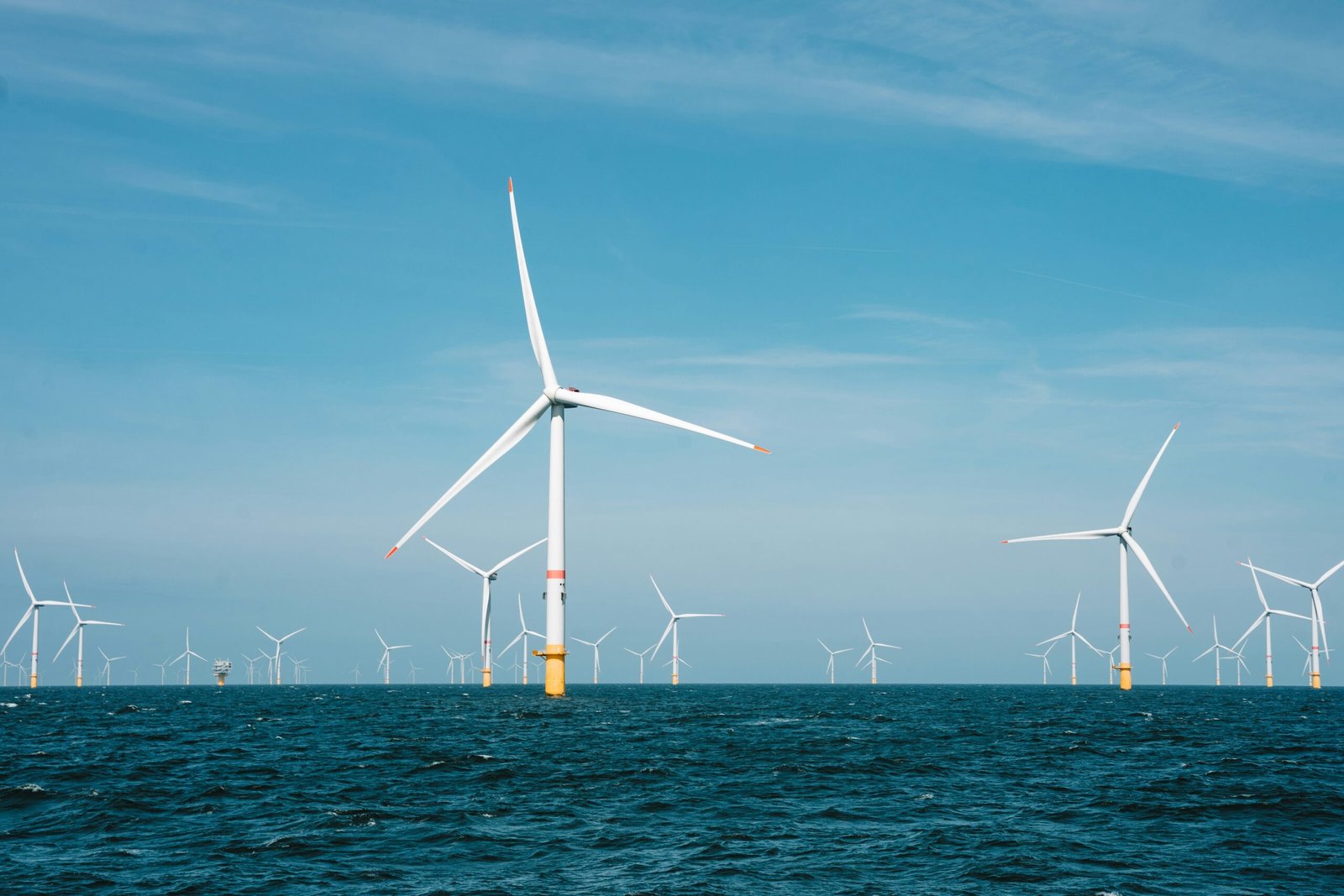
As Brazil’s wind industry convenes in São Paulo, questions about grid capacity, energy storage, investment, and industrial development take center stage, offering lessons and opportunities for cooperation across Africa
Category: Energy, Investment and Brazil–Africa Cooperation
By I. E. Aroh – Afribraz Global Business Magazine
São Paulo, 27 October 2026
Brazil has built one of the world’s most significant renewable electricity industries. Its next challenge is to deliver the power it produces where it is needed, enable businesses and households to use it competitively, and turn it into lasting economic opportunities.
That challenge is at the heart of Brazil Windpower 2026, taking place October 27–29 at São Paulo Expo, where representatives from the wind industry, government, investors, technology providers, and specialists are expected to discuss the future of renewable energy. The 17th edition arrives at a decisive moment. Wind and solar generation have expanded rapidly, but the sector faces increasingly urgent questions about transmission constraints, reduced renewable output, energy storage, industrial competitiveness, and the conditions needed to attract new investment.
According to the organizers, the event’s agenda extends beyond wind turbines. It includes onshore and offshore wind, energy storage, green hydrogen, digitalization, artificial intelligence, operations and maintenance, financing, and regulation. For Brazil, the debate centers on how to better use a substantial renewable energy resource. For African countries working to expand electricity access, strengthen their industries, and attract investment, it also offers an opportunity to learn practical lessons from Brazil’s experience.
A meeting point for the renewable energy industry
Brazil Windpower has become an important meeting place for companies and institutions across the wind-energy value chain. Its 2026 edition brings together project developers, equipment manufacturers, service providers, public authorities, financiers, and professionals working across the renewable energy market. Informa Markets promotes and organizes the event, with the Brazilian Wind Energy and New Technologies Association, ABEEólica, and the Global Wind Energy Council, GWEC, as co-organizers.
According to the event’s press material, this year’s congress is structured around three thematic stages: Onshore, Offshore, and Operation and Maintenance. The exhibition also gives companies a platform to showcase equipment, services, and project capabilities.
The announced theme, “The Future of Energy Is Renewable: Connecting All Forms of Clean and Secure Energy Generation,” reflects an industry that increasingly sees wind power as part of a broader system.
A turbine can deliver its full economic value only when reliable infrastructure, effective maintenance, a functioning electricity market, and customers able to use the power it produces support it. The discussion in São Paulo therefore ranges from the engineering of wind farms to the broader question of how countries plan their economies.
The official event website lists the opening hours as 10:00 a.m. to 8:00 p.m., from 27 to 29 October. The venue is São Paulo Expo, on Rodovia dos Imigrantes, km 1.5, in São Paulo.
Brazil’s renewable advantage
Brazil starts from a strong position. Hydropower has long been central to its electricity system, while the expansion of wind, solar, and bioenergy has diversified the country’s renewable generation.
The Brazilian Energy Research Office, Empresa de Pesquisa Energética (EPE), publishes the National Energy Balance, which provides the official annual overview of energy production and consumption. The 2026 edition covers the 2025 base year and serves as a reference for assessing changes in the country’s electricity and broader energy mix.
It is useful to distinguish between the electricity mix and the overall energy mix. Electricity refers to the power supplied to homes, businesses, and the grid. Total energy use also includes fuels for transportation, industrial heat, and other activities. Brazil’s electricity system has a particularly high share of renewable sources, but decarbonizing the wider economy presents a broader challenge.
The growth of wind and solar has diversified the electricity supply. Yet the benefits of new generation depend on more than installed capacity. Wind conditions vary, solar output changes throughout the day, and electricity must move through networks that can accommodate changing supply and demand patterns.
The next phase of Brazil’s renewable expansion will therefore depend on how effectively the country coordinates generation with transmission, distribution, storage, flexible demand and industrial development.
From abundant resources to competitive industry
One question raised in the Brazil Windpower press material is how Brazil can turn renewable resources into long-term economic competitiveness.
Laura Porto, identified in the material as Neoenergia’s executive director for renewables, argues that the issue is not simply the construction of more generation capacity. It is also about turning clean energy into investment, productivity, employment, and prosperity.
That requires infrastructure that can deliver electricity to consumers, along with industries that can use it productively. Potential sources of demand include manufacturing, data centres, electrified industrial processes and, where commercially viable, low-emissions hydrogen production.
For industrial consumers, several factors determine the value of renewable electricity: price, reliability, contractual terms, transmission access, and the ability to verify the source of supply. A company considering a major investment needs confidence that it can meet its energy needs throughout the project’s life.
Brazil’s wind resources could help attract businesses seeking lower-emissions production. However, renewable supply alone does not guarantee a competitive industrial project. Investors also consider logistics, taxation, labor skills, regulation, financing, and access to domestic and international markets.
The opportunity is to link these elements. Renewable generation can support new investment, while new industrial demand can create a market for electricity that might otherwise be constrained. Such an outcome depends on careful planning and commercially sound projects.
Curtailment: when available power cannot be fully used
Among the most important topics in the event’s press materials is curtailment: reducing electricity generation from a plant that would otherwise be able to produce power.
Curtailment can occur for various reasons. There may be insufficient transmission capacity to deliver electricity from a generation area to consumers. At certain times, total available generation may exceed demand. System operators may also need to limit output to maintain the security and stability of the network.
Some reductions are necessary for safe operation. The central policy and investment question is whether avoidable restrictions can be reduced at a reasonable cost—and which measures will be most effective in each location.
For a wind-farm owner, frequent restrictions can reduce revenue and affect the assumptions behind an investment. For lenders, uncertainty about future generation and compensation can shape how they assess a project’s risk. For the wider economy, unused output means infrastructure already built and financed produces less electricity than it could under suitable system conditions.
The press materials say that Volt Robotics, a company working with data and modeling for the electricity sector, plans to present a study on wind-generation restrictions at Brazil Windpower. The proposed analysis aims to examine where restrictions occur, their possible causes, and their consequences for investment decisions.
The study’s findings should be assessed when the complete methodology and results are available. Its subject, however, illustrates a broader issue: renewable growth must be matched with investment in the systems that allow electricity to reach consumers.
Why the cause of a grid constraint matters
Curtailment does not have a single solution. A project constrained by congestion on a transmission line may require a different response than one affected by low demand at certain hours.
Potential measures include expanding transmission capacity, improving forecasting, developing flexible electricity demand, investing in storage, and adjusting system operations. In some cases, combining these approaches may be more effective than any single intervention.
For example, a battery can store electricity at one time and release it later. But the value of that service depends on the battery’s location, how long it can discharge, price differences between periods, and the rules governing its participation in the electricity market.
Likewise, a new transmission line can connect generation with distant demand, but it may require years of planning, licensing, financing, and construction. Its cost must be weighed against the benefits to the system and consumers.
Better information is also essential. Developers and investors need a clear understanding of why generation is being restricted, how often restrictions occur, and how future risks will be allocated. Transparent data can support more informed decisions about where to build and which technologies to deploy.
For policymakers, the objective is not merely to eliminate every instance of curtailed generation. The goal is to develop an electricity system that balances reliability, affordability, and efficient resource use.
Energy storage moves into the mainstream
Energy storage is another major focus of the Brazil Windpower program. As variable renewable electricity supply grows, developers, utilities, regulators, and investors are paying more attention to storage.
Battery energy storage systems can serve several purposes. Depending on their design and market rules, they may shift electricity from one period to another, support grid stability, provide reserve capacity, or improve supply reliability for a particular customer.
Other forms of storage and flexibility can also play a role. The appropriate solution varies with the characteristics of the electricity system, the duration for which energy must be supplied, the location of demand, and the cost of available alternatives.
The event press material states that ABEEólica plans to launch a publication on energy storage during the event. It presents the subject as an economic and regulatory question as well as a technological one: investors need to understand how the services provided by storage will be valued and paid for.
That point matters because a battery may provide benefits to several parts of the system. It could help a generator manage output, assist a network operator, and improve reliability for customers. If the market rules do not clearly recognize those services, a project that benefits the system may still struggle to secure financing.
A successful storage market therefore requires more than equipment sales. It needs connection rules, clear technical standards, bankable contracts, appropriate safety procedures, and a transparent framework for valuing capacity and other services.
What batteries can and cannot solve
The enthusiasm for batteries is understandable, but their role should be considered carefully.
A storage system may help manage short-term changes in supply and demand. It may also support isolated networks or provide backup power for a business. However, it cannot automatically remove every transmission constraint, replace all other sources of flexibility, or supply electricity indefinitely.
Project economics depend on factors such as battery capacity, charging patterns, degradation, maintenance, replacement costs, and the revenues available over time. Also consider fire safety, installation standards, and end-of-life management.
For commercial users, the most useful question is often practical: what problem is the battery expected to solve?
A factory may be interested in reducing interruptions. A renewable developer may want to shift production to more valuable hours. A utility may need services that support network stability. Each case calls for a different assessment.
The same discipline applies to African markets. Batteries may be attractive for businesses affected by unreliable power or for communities served by mini-grids, but the financial model must reflect local demand, tariffs, maintenance capacity, and the availability of technical support.
Offshore wind: promise, planning and responsibility
Offshore wind is another area attracting attention in Brazil. Strong winds along parts of the coastline have spurred interest in generating electricity at sea.
The press material describes EPE’s work to improve understanding of offshore wind resources and to develop a methodology for assessing potential maritime areas. It reports that a technical study identified 20 wind regions and three areas of particular interest based on the wind data examined.
Those findings should be understood as part of the planning process. Identifying promising wind conditions is not the same as approving a project or guaranteeing commercial viability.
Offshore development requires detailed investigation of water depth, distance from shore, seabed conditions, port facilities, transmission infrastructure and environmental impacts. Developers must also consider fishing, navigation, tourism, conservation and the interests of coastal communities.
Brazil’s Law No. 15,097 of 2025 established a legal framework for using offshore areas for power generation. Turning that framework into operating projects will depend on subsequent regulation, permitting, infrastructure, financing and commercial demand.
The scale of offshore projects also makes cooperation important. Developers need access to specialized vessels, engineering services, trained workers, industrial suppliers and ports capable of handling large components.
Brazil has experience in offshore oil and gas and maritime engineering. Some of that knowledge may be relevant to offshore wind, although the technologies, risks and project requirements differ. The challenge is to identify where existing capabilities can be adapted and where new skills and investment are needed.
Connecting maritime engineering and renewable energy
The press material announces a planned discussion on October 28 about the relationship between the maritime industry and offshore wind technologies. It lists José Luís Baptista Júnior, an executive at Oceânica, as a participant.
The proposed discussion highlights a potentially valuable connection. Offshore projects rely on a broad range of activities, including marine surveys, engineering, inspection, vessel operations, construction planning, subsea work, and maintenance.
For established maritime companies, renewable energy may create new business opportunities. For offshore wind developers, experienced local suppliers can help reduce logistical challenges and build domestic capability.
However, expertise transfer is not automatic. Businesses may need new certifications, equipment, and safety procedures, as well as partnerships with companies experienced in wind-specific technologies.
Ports are equally important. A port suitable for conventional cargo may require substantial upgrades before it can support large offshore wind components or assembly operations. Decisions about port investment should therefore be linked to realistic project pipelines and long-term demand.
The potential economic benefits extend beyond the wind farm itself, but they depend on projects reaching construction and operation. Public announcements, resource assessments, and proposals should not be confused with confirmed investment or completed facilities.
Digital technology and the changing wind farm
A wind farm is a physical asset, but it also generates continuous operational data. Turbines, sensors, and control systems can provide information on wind conditions, performance, vibration, temperature, and equipment behavior.
When analyzed effectively, this information can help operators identify problems earlier, plan maintenance, and reduce unexpected downtime. Digital tools may also support forecasting, asset management, and decisions about spare parts or workforce deployment.
The Brazil Windpower material identifies artificial intelligence and digitalization as growing areas of interest for operations and maintenance. Examples include using remote monitoring, data analysis, and inspection technologies to support decisions about turbine performance.
Drones and cameras can inspect blades and other components, helping teams identify damage that requires closer examination. Digital records can also support comparisons of equipment performance across sites and over time.
These tools are not a substitute for qualified engineers and technicians. Their effectiveness depends on reliable data, appropriate models, skilled interpretation, and the ability to act on the results.
Cybersecurity is also part of the discussion. As energy infrastructure becomes more connected, operators must manage system access, protect sensitive data, and maintain the resilience of operational technology.
For service companies, digitalization opens opportunities beyond the supply of hardware. Software development, inspection services, training, analytics, and maintenance support can all be part of a renewable energy project’s long-term value chain.
Skills, jobs and workplace safety
The expansion of renewable energy creates demand for a range of expertise. Engineers, electricians, technicians, software specialists, logistics professionals, environmental consultants and project managers may all be involved in developing and operating a wind project.
Brazil Windpower’s press material describes a partnership with the National Service for Industrial Training, SENAI, intended to align professional education with the needs of the wind industry. It also mentions planned student participation and discussions on qualifications and workplace safety.
Training matters because renewable energy jobs do not end when construction is complete. Wind farms require ongoing inspection, maintenance, monitoring and management throughout their operating lives.
Employers need workers who understand electrical systems, mechanical components, safety procedures, working at height and emergency response. Offshore projects may require additional maritime and survival training.
Local training institutions can help ensure that communities have access to the skills needed to participate in the industry. Partnerships among companies, technical schools and public institutions may also improve the relevance of training programs.
The quality of employment matters as much as the number of positions announced. Long-term workforce development requires safe conditions, recognized qualifications, opportunities for advancement and a clear understanding of the skills employers need.
For international cooperation, education may be one of the most practical starting points. Joint training, technical exchanges and collaboration between Brazilian and African institutions can build relationships before larger commercial projects are ready.
Investment depends on confidence
Renewable energy attracts interest from a wide range of investors, but interest does not automatically translate into financing.
A developer seeking funding must usually demonstrate a credible resource assessment, access to land or an appropriate project site, a clear path to permits, a viable connection to the grid, and a reliable revenue stream.
Investors also examine construction risk, equipment supply, operating costs, and the financial strength of the parties involved. Regulatory changes or uncertainty about generation restrictions can affect a project’s risk profile.
A power purchase agreement may help provide predictable revenue, but the contract must be commercially sound and backed by a buyer capable of meeting its obligations. Currency risk can also be important when equipment or loans are priced in foreign currency while electricity revenues are earned locally.
For governments and regulators, the task is to create conditions that support investment while protecting consumers and the public interest. Clear rules, transparent procedures, and consistent enforcement can help reduce uncertainty.
For companies attending Brazil Windpower, the exhibition and congress may offer opportunities to meet potential partners. Turning those meetings into projects, however, requires due diligence, technical evaluation, and careful negotiation.
Financing the energy transition
Different renewable projects require different types of capital.
Large grid-connected wind farms may involve project finance, institutional investment, or loans from commercial and development banks. Smaller projects may rely on corporate financing, local lenders, equipment leasing, or combinations of debt and equity.
Storage projects can face particular challenges when the revenue model is still developing. If a battery provides several services but the market pays clearly for only one of them, investors may struggle to forecast returns.
For projects in emerging markets, concessional finance, guarantees, and technical assistance may help reduce specific risks. These instruments do not remove the need for a sound project, but they can support investment where commercial financing alone is difficult to obtain.
A well-prepared proposal should explain who will own and operate the equipment, who will purchase the electricity or service, how payments will be made, and what happens if technical or commercial assumptions change.
The most valuable partnerships often bring together technical expertise, local knowledge, and financing capacity from the beginning.
The role of green hydrogen
Green hydrogen is among the topics on the Brazil Windpower agenda. It is typically produced by using electricity from renewable sources to split water into hydrogen and oxygen through electrolysis.
Hydrogen may have applications in sectors where direct electrification is difficult, including certain industrial processes and chemical production. It can also be used as a feedstock for products such as ammonia.
Yet the commercial potential depends on several factors: the cost and availability of electricity, the cost of electrolysers, water supply, infrastructure, transport, and a market willing to purchase the product.
Not every region with renewable resources will necessarily be suited to a hydrogen project. Developers must consider whether the project has a credible buyer, whether the required infrastructure exists, and whether alternative uses of the electricity offer greater value.
For Brazil, the discussion connects renewable energy with the possibility of industrial development and exports. For African countries, it raises similar questions about how local resources can support domestic value creation as well as international trade.
A responsible approach should consider local water needs, environmental standards, community benefits, and the opportunity cost of electricity. Large projects must be assessed in the context of the regions where they are proposed.
Renewable energy and regional development
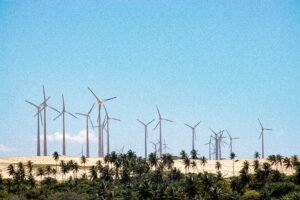
Wind projects can bring investment to regions with strong resources, creating demand for construction, transport, accommodation, maintenance and other services.
But economic benefits are not distributed automatically. The experience of communities near projects deserves careful attention, including questions about land use, access to information, employment and the long-term effects of development.
A project may be technically successful while still raising concerns among residents. Early engagement, transparent agreements and accessible processes for addressing grievances can help build trust.
Environmental assessment is equally important. Wind projects should be evaluated for their potential effects on biodiversity, land use and surrounding communities. Offshore projects require additional attention to marine ecosystems and other uses of the sea.
Regional authorities can connect energy investment with broader development priorities: technical education, local suppliers, infrastructure, and productive industries.
Renewable energy can underpin growth, but the quality of planning determines how widely the benefits are shared.
What Africa can learn from Brazil’s experience
Brazil and African countries differ considerably in their electricity systems, resources, regulatory frameworks, and levels of industrial development. There is no single model that can be transferred unchanged from one market to another.
Nevertheless, Brazil’s experience offers useful topics for discussion: how to build a wind industry, attract investment, develop suppliers, train workers, and integrate increasing amounts of renewable electricity into the grid.
The need for reliable and affordable electricity remains substantial. The International Energy Agency estimates that around 600 million people in sub-Saharan Africa lacked access to electricity in 2024. This figure highlights the scale of the challenge, although needs and conditions vary significantly by country and region.
For some communities, extending the national grid may be the most suitable solution. Elsewhere, solar home systems, mini-grids, or other local technologies may offer a more practical route. Wind can contribute where the resource, infrastructure, and economics are appropriate.
African businesses also need reliable power to operate factories, preserve agricultural products, provide services, and create employment. The discussion is therefore not limited to connecting households; it also concerns the quality, affordability, and productive use of electricity.
Brazilian companies with experience in engineering, renewable project development, grid management, and professional training may contribute to African projects. African partners also bring essential knowledge of local markets, institutions, resources, and community needs.
Opportunities for Brazil–Africa cooperation
Brazil Windpower offers a forum for Brazilian and international participants to explore how renewable energy knowledge and services can be adapted to diverse markets.
Potential areas of cooperation include:
- Wind-resource assessment: sharing methods for evaluating wind conditions and identifying suitable sites.
- Project development: supporting feasibility studies, permitting strategies, and commercial planning.
- Grid integration: exchanging experience in forecasting, transmission planning, and managing variable generation.
- Energy storage: assessing batteries and other flexibility solutions for utilities, industries, and local networks.
- Operation and maintenance: providing technical training, inspections, remote monitoring, and asset-management services.
- Professional education: connecting technical schools, universities, and companies to develop relevant skills.
- Industrial partnerships: exploring local assembly, component supply, and services where demand and economics justify investment.
- Financing and advisory services: helping projects prepare credible commercial structures and identify suitable sources of capital.
These are potential areas for engagement, not announcements of confirmed agreements. Each opportunity would need to be evaluated on its own merits, with clear responsibilities, appropriate local partnerships, and a realistic assessment of risk.
A practical agenda for African businesses
For an African business or institution interested in Brazilian renewable energy technology, the first step is to clearly define the problem to be solved.
A manufacturer seeking a more reliable electricity supply may need a different solution than a utility planning a large wind farm. A rural community considering a mini-grid will have different needs than a port exploring support for offshore infrastructure.
A useful project brief should describe the location, electricity demand, current supply arrangements, technical constraints, and intended users. It should also identify the organization responsible for decisions and the financing available for an initial assessment.
When approaching Brazilian suppliers, potential partners can request evidence of previous projects, technical specifications, warranty terms, maintenance arrangements, and references. They should also discuss whether equipment can be serviced locally and how spare parts will be supplied.
For large projects, an independent feasibility study and legal review can help test assumptions before major commitments are made.
The aim is to move beyond general interest in clean energy toward proposals that are technically suitable and commercially viable.
Nigeria and the wider market opportunity
Nigeria is a key market for discussions on energy access, reliability, and industrial development. Its large population, entrepreneurial sector, and diverse economic activities create significant demand for electricity and energy services.
The country also faces infrastructure and financing challenges that require careful attention to local conditions. Renewable energy projects must be evaluated against factors such as grid access, resource quality, tariffs, payment security, and consumer needs.
For Nigerian businesses, opportunities may extend beyond large power plants. They can include energy solutions for industrial facilities, commercial buildings, agricultural processing, cold storage, and local distribution systems.
Brazilian experience in renewable generation, technical education, digital services, and project development could support discussions with Nigerian partners. However, a successful venture would require local feasibility work and a clear understanding of applicable regulatory and commercial requirements.
The strongest Brazil–Nigeria partnerships will likely be those that combine Brazilian technical capability with Nigerian market knowledge, local participation, and a practical plan for financing and maintenance.
The same principle applies across Africa: the continent contains many distinct markets, and each project needs to respond to the conditions of its own location.
A role for business networks and technical institutions
Business networks can help connect companies and institutions that might otherwise struggle to find reliable partners across borders.
Their contribution is most valuable when introductions are followed by structured work: identifying project needs, verifying company credentials, facilitating technical discussions, and helping participants understand the steps required to move forward.
Universities and training institutions can also play a role. Research collaborations, professional exchanges, and joint workshops can help build local capacity and improve the quality of project preparation.
Trade associations can provide another point of contact, connecting potential buyers with suppliers and offering insight into industry standards and market developments.
For Afribraz Global Business Magazine and the wider Brazil–Africa business community, renewable energy is a field where reporting and dialogue can help make opportunities more visible. The next step is for interested organizations to identify specific projects and partners capable of moving them forward.
The importance of technology transfer
The purchase of equipment is only one part of a lasting energy partnership. Projects also need people who can install, operate, maintain, and eventually replace that equipment.
Technology transfer can take different forms: training technicians, sharing operating procedures, developing local service teams, collaborating on software, or supporting research. Depending on the project, it may also involve local manufacturing or assembly.
However, local production must be commercially viable. A factory or assembly operation requires sufficient demand, suitable infrastructure, skilled labor, and access to components. Announcing local production without a viable market can create expectations that are difficult to meet.
A more immediate opportunity may be developing local maintenance and service capacity. This can help reduce downtime, support skills development, and keep more project activity within the host country.
For Brazilian suppliers entering African markets, long-term service commitments may be as important as the initial equipment sale. For African partners, the key question is whether the relationship builds capacity and delivers dependable performance over time.
Managing risks before announcing results
The renewable energy sector offers substantial opportunities, but projects can be delayed or fail if risks are underestimated.
A wind project may encounter lower-than-expected output, connection delays, cost increases, or difficulty securing a buyer for electricity. A storage project may face uncertain revenue or higher replacement costs. An offshore proposal may require more expensive infrastructure than initially anticipated.
Cross-border projects introduce additional considerations, including currency fluctuations, import procedures, legal differences, and the enforceability of contracts.
Environmental and social issues also require early attention. Communities affected by a project should have access to clear information and meaningful opportunities to raise concerns.
Good project preparation does not eliminate every risk. It makes risks visible, assigns responsibilities, and helps partners decide whether the expected benefits justify the investment.
For companies meeting at Brazil Windpower, a promising conversation should be followed by documentation, verification, and realistic timelines. A memorandum of understanding can express an intention to explore cooperation, but it is not equivalent to financing, regulatory approval, or a final investment decision.
Why cooperation must create value locally
International partnerships are most durable when each participant understands the value it contributes and receives.
For a Brazilian technology provider, a partnership may open access to a new market. For an African company, it may provide technical expertise or equipment. For the host community, the value may include employment, skills, improved services, or local business opportunities.
These outcomes should be considered from the outset of project design. Training commitments, maintenance responsibilities, and local procurement opportunities can be discussed alongside price and financing.
Cooperation also benefits from honest communication about what remains uncertain. A project under discussion should be described as a proposal until the necessary agreements, approvals, and funding are secured.
The goal is to develop relationships that can withstand the practical challenges of implementation and endure beyond an initial meeting or public announcement.
From São Paulo to a broader international dialogue
Brazil Windpower 2026 raises questions that extend far beyond a single country or technology.
How can rapidly expanding renewable generation be connected to demand? What investments are needed to make grids more flexible? How should storage and reliability be valued? How can local industries and workers participate in the energy transition? And how can international partnerships turn technical knowledge into projects that serve communities and businesses?
Brazil’s experience demonstrates both the scale of the opportunity and the complexity of implementation. Building renewable capacity is an important achievement. Fully using that capacity requires continued attention to infrastructure, markets, investment, and people.
For African and Brazilian businesses, the conversations in São Paulo can provide a starting point for cooperation in technology, training, financing, and industrial development. The real measure of progress will be the quality of the projects and partnerships that follow.




Leave feedback about this