


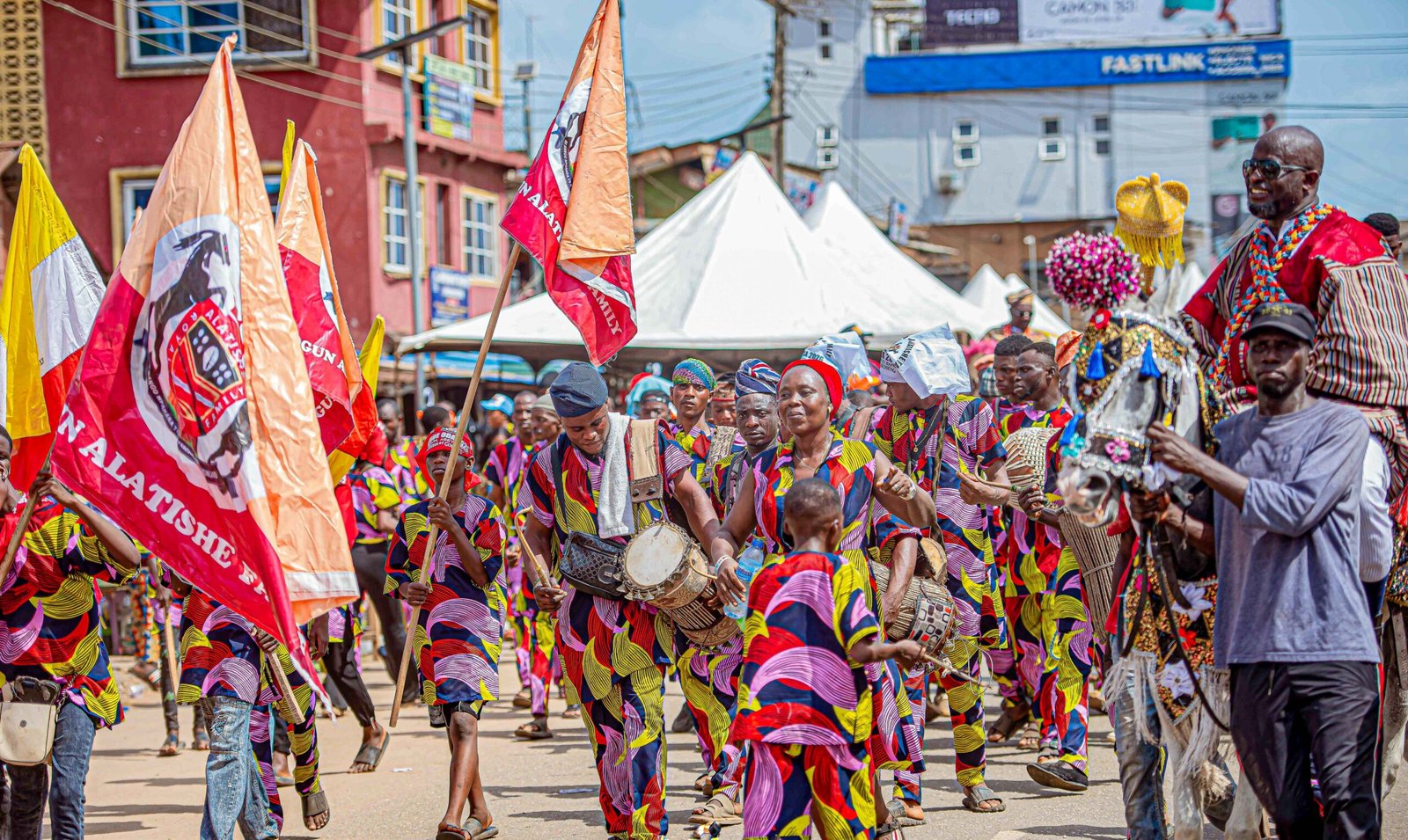
Fashion, equestrian pageantry, and community pride converge in Ijebu-Ode, revealing the richness of Yoruba heritage and the possibilities of cultural tourism.
Afribraz Global Business Magazine
By George Bassey
nicegeorge26@gmail.com
In Ijebu-Ode, southwestern Nigeria, embroidered robes, elaborate headwraps and decorated horses transform a community gathering into a remarkable cultural spectacle. Drums accompany processions, age-grade associations arrive in coordinated clothing, and families reunite around a tradition that connects generations.
This is Ojude Oba, a celebration whose appeal extends beyond Ogun State. Behind the photographs of magnificent outfits and accomplished horsemen lies a deeper story about belonging, religious coexistence and the institutions that sustain Ijebu identity.
Commonly translated as “the king’s forecourt,” Ojude Oba centers on public homage to the Awujale, the traditional ruler of Ijebuland. Residents, returning community members, and visitors gather for ceremonies rooted in respect for the royal institution and their shared heritage.
For international visitors, the festival offers an opportunity to encounter Nigerian culture through the people who continue to shape it.
A Tradition Rooted in Gratitude
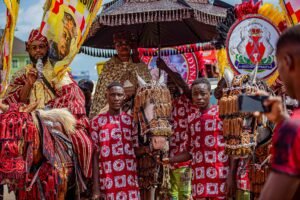
The festival’s origins are commonly associated with early Muslim residents visiting the monarch to express appreciation for his goodwill and accommodation of their faith. Historical accounts vary, but share the theme of gratitude developing into a recurring public gathering.
Over time, that gathering expanded into a wider expression of community identity. Its connection to Islam remains evident in its timing during the Eid al-Kabir celebrations, known locally as Ileya. Participation extends across religious boundaries, reflecting the festival’s broader place in Ijebu cultural life.
That combination gives Ojude Oba particular significance. People with different religious commitments participate in a shared tradition through their connection to place, ancestry and community.
Its continuity also demonstrates how heritage evolves. Ceremonial homage remains central, while clothing, performance and public presentation allow successive generations to contribute their creativity.
Regberegbe: The Community Behind the Colour
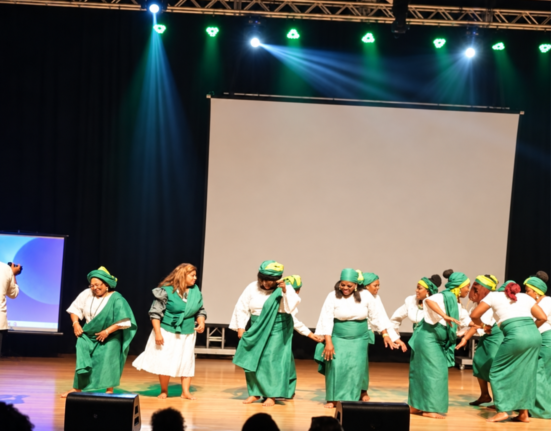
Among the festival’s defining institutions are the regberegbe, age-grade associations whose members parade together in coordinated attire. Their appearances bring collective identity into the public space through dress, music and movement.
For spectators, each entrance offers a fresh combination of colour, tailoring and personality. For participants, it represents membership in an enduring social group.
The coordinated appearance reflects shared decisions, organisation and relationships developed over time. Understanding those connections gives visitors a fuller appreciation of the spectacle.
The festival’s intergenerational character is equally important. Different age groups occupy a recognised place within the same cultural framework, connecting individual lives with a wider community story.
Fashion as a Language of Belonging
Ojude Oba’s clothing is one of its most compelling attractions. Flowing agbadas, embroidered garments, distinctive caps and elaborate headwraps create an occasion in which personal elegance and collective presentation reinforce one another.
Two concepts help explain this visual language. Aso-ebi refers to coordinated clothing expressing affiliation among relatives or members of a social group. Aso-oke, a traditional Yoruba woven textile, connects contemporary ceremonial dress with an established craft tradition.
Fabric, colour and accessories allow participants to communicate belonging while introducing creative interpretations. Academic research has examined the relationship between Ojude Oba’s dress traditions, cultural continuity and tourism development.
The celebration also draws attention to the skills behind the finished garments. Weavers, tailors, designers and accessory makers contribute to the presentations audiences admire.
For fashion tourism, the opportunity extends to meeting these makers. Studio visits, textile demonstrations and locally commissioned garments could help visitors understand the craftsmanship while directing spending towards the people who sustain it.
Horses, History and Public Ceremony
Equestrian displays bring movement and drama to the celebration. Decorated horses and traditionally dressed riders create some of Ojude Oba’s most recognisable scenes.
Their significance extends beyond appearance. The festival’s Balogun and Eleshin traditions are associated with descendants of historical Ijebu war leaders, connecting contemporary pageantry with inherited family histories.
Alongside the age-grade processions, these displays reveal different expressions of identity through association, lineage and community service.
Knowledgeable interpretation enriches the experience. Learning whom the riders represent and why their families participate gives historical depth to the visual spectacle.
Music, Food and the Wider Ijebu Experience
Drumming, singing and dancing give the festival its atmosphere. They accompany public appearances and allow participants to express pride and energy collectively.
Beyond the celebration ground, markets, restaurants and regional food producers offer other ways to discover Ijebuland. These encounters introduce visitors to the everyday life that continues after the processions end.
Ijebu garri, the cassava product closely associated with the region, provides one starting point for exploring local food culture. Meals and market visits can open conversations about ingredients, production methods and knowledge passed between generations.
A thoughtfully designed itinerary could connect the main event with these quieter experiences. Meeting a textile maker, speaking with a local historian or sharing a regional meal would give visitors a more rounded understanding of the destination.
Cultural Interest, Local Opportunity
Ojude Oba provides a foundation for tourism through its distinctive identity and established community participation. Its combination of dress, ceremony and history offers possibilities for heritage tours, photography experiences and educational travel.
The commercial opportunity lies in connecting visitor interest with local services. Accommodation providers, transport operators, guides, restaurants and artisans could benefit from programmes that encourage longer stays and exploration beyond the main celebration.
For travel businesses connecting Brazil and Africa, the festival could form part of a southwestern Nigerian itinerary focused on Yoruba heritage, contemporary creativity and diaspora connections. Such programmes would depend on informed interpretation and strong local partnerships.
These possibilities require careful development. Reliable organisation, suitable infrastructure and meaningful community involvement would help translate attention into lasting local value.
Clear explanations of the associations, ceremonies and crafts would also strengthen the visitor experience while recognising the people whose work makes it possible.
Welcoming the World on Local Terms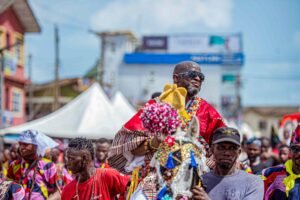
Ojude Oba offers international audiences a fuller view of Nigeria through skilled craftsmanship, historic institutions and the relationships that sustain community life.
As its visibility grows, the associations, families, artisans and performers should remain central to decisions about its development. Their participation gives the festival its character and continuity.
Travellers should confirm each edition’s official date and arrangements before booking, as its timing follows the Islamic calendar. Local guidance can also help visitors understand photography etiquette and ceremonial access.
Ojude Oba rewards those who look beyond the photographs. Its clothing expresses relationships, its horsemen carry family histories, and its processions renew a shared sense of place. For visitors willing to engage with those stories, Ijebu-Ode offers an encounter with a living heritage.


Leave feedback about this