



A Landmark Agreement Without Takeoff
In August 2025, Bola Ahmed Tinubu and Luiz Inácio Lula da Silva stood together in Brasília to sign a long-anticipated Bilateral Air Service Agreement (BASA)—a deal designed to finally establish direct flights between Nigeria and Brazil.
The agreement promised to unlock trade, tourism, cultural exchange, and investment between Africa’s largest economy and Latin America’s biggest market. Yet months later, reality tells a different story: no consistent, commercially viable direct flight route exists.
The Paradox: Signed but Not Flying
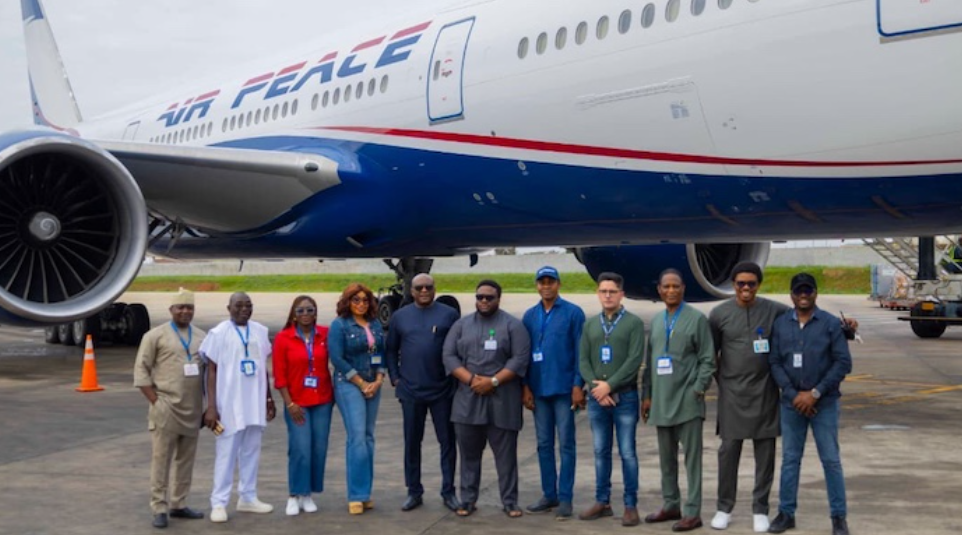
The BASA created a framework—not an automatic operation. While symbolic test flights and plans (including routes like Lagos–São Paulo) were discussed, full-scale commercial operations have struggled to materialize. This raises a critical question for investors and policymakers: Why is such an obvious route still missing?
The Real Barriers Behind the Delay
1. Economics Over Diplomacy
Airlines don’t fly for diplomacy—they fly for profit. A long-haul transatlantic route like Lagos–São Paulo requires:
- High passenger volume (business + tourism)
- Strong cargo demand
- Stable currency exchange
- Predictable regulatory costs
Despite political enthusiasm, demand is still considered “emerging,” not guaranteed—making airlines cautious.
2. Aviation Infrastructure & Capacity Gaps
While both nations have major hubs like Murtala Muhammed International Airport and São Paulo/Guarulhos International Airport, operational realities differ:
- Limited long-haul fleet capacity from Nigerian carriers
- Maintenance, leasing, and insurance costs for wide-body aircraft
- Brazil’s stricter aviation compliance standards
Even with interest from airlines like Air Peace, scaling sustainably remains complex.
3. Financial and Currency Constraints
Nigeria’s foreign exchange volatility has historically discouraged international aviation expansion.
Airlines worry about:
- Repatriating ticket revenue
- Currency conversion losses
- Pricing tickets competitively across continents
These are not political issues—they are balance sheet realities.
4. Bilateral Agreements ≠ Operational Readiness
A BASA sets rights:
- Landing rights
- Frequency permissions
- Airline designation
But it does not guarantee:
- Aircraft availability
- Route profitability
- Immediate airline participation
In simple terms:
The road is approved—but no one is fully ready to drive on it yet.
5. Competition from Established Routes
Currently, travelers between Nigeria and Brazil connect via:
- Europe (Lisbon, Paris, Madrid)
- Middle East hubs
These routes are:
- Frequent
- Subsidized by large global carriers
- Already integrated into global travel systems
Breaking into this network requires aggressive pricing and sustained demand—a risky move for new entrants.
What Nigeria and Brazil Are Missing Out On
1. A Billion-Dollar Trade Shortcut
Bilateral trade already exceeds billions annually, but indirect logistics slow growth.
Direct flights could:
- Cut travel time from over 24 hours to about 7 hours
- Accelerate business deals
- Improve supply chain efficiency
2. Afro-Brazilian Cultural Renaissance
Brazil hosts the largest population of African descendants outside Africa.
Yet:
- Cultural tourism remains underdeveloped
- Diaspora connections are under-leveraged
A direct route would reconnect history with opportunity.
3. Lost Tourism Revenue
Both countries are tourism giants—but not to each other.
- Nigerians rarely visit Brazil due to travel complexity
- Brazilians face similar barriers to Africa
Direct connectivity could create a new South-South tourism corridor.
4. Strategic South Atlantic Influence
The Nigeria–Brazil axis is not just economic—it is geopolitical.
A strong air bridge would:
- Strengthen South Atlantic cooperation
- Reduce dependence on European transit hubs
- Position both nations as leaders of Global South integration
Is the Route Feasible? Absolutely—But With Conditions
Commercial Viability Outlook: MODERATE → HIGH (Long-Term)
The route can succeed if:
Short-Term (1–2 years):
- Government-backed incentives for airlines
- Code-sharing with international carriers
- Cargo-focused operations (not just passengers)
Medium-Term (3–5 years):
- Growth in business travel (energy, agriculture, tech)
- Strong diaspora movement
- Tourism campaigns targeting Afro-Brazilian heritage
Long-Term (5+ years):
- Fully sustainable daily routes
- Multi-city connections (Lagos–Rio–São Paulo)
The Strategic Opportunity for Investors
This gap is not a failure—it is a market entry opportunity.
Sectors ready to benefit:
- Aviation leasing and financing
- Tourism development
- Cargo logistics and exports
- Cultural and diaspora travel services
Final Insight: A Bridge Waiting to Be Crossed
The Nigeria–Brazil direct flight story is not about absence—it is about timing.
The BASA signed by Bola Ahmed Tinubu is a historic step, but history alone does not create routes—markets do.
Until economics, infrastructure, and demand align, the South Atlantic will remain a psychological distance rather than a physical one.
But when it finally happens,
this route will not just carry passengers—it will carry a new era of Afro-Atlantic power.
Afribraz Verdict
The opportunity is real. The delay is structural. The future is inevitable.
-By Afribraz Editorial Desk





Leave feedback about this