


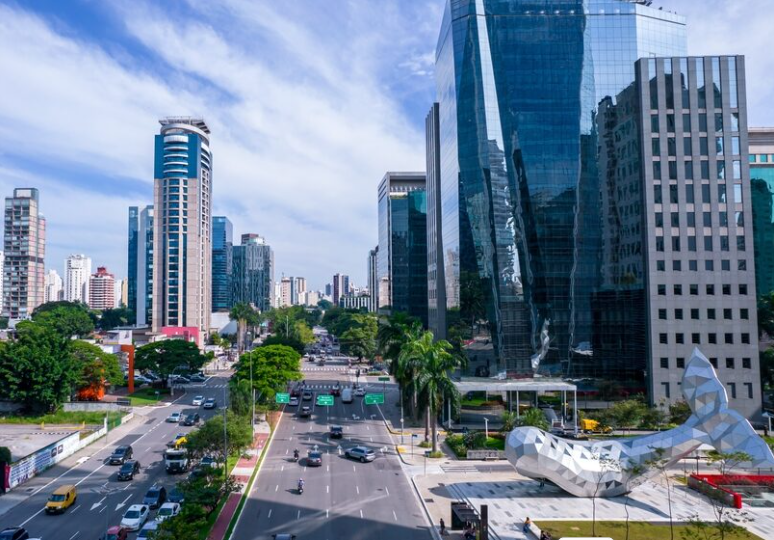
A Market of Promise—and Complexity
By Afribraz Global Business Magazine Editorial Desk
March 2026 Edition
Brazil is one of the most culturally diverse nations in the world, deeply shaped by African heritage. Yet, for many African diaspora entrepreneurs, doing business in Brazil is not just a journey of opportunity—it is a test of resilience.
Across São Paulo, Rio de Janeiro, and Salvador, African-led businesses are emerging in food, fashion, logistics, and digital services.
But behind these promising ventures lies a hard truth: many struggle to survive, and even fewer manage to scale. Brazil stands as a cultural giant of African heritage, yet paradoxically, African diaspora entrepreneurs often find themselves struggling to survive in its complex business environment.
From São Paulo’s bustling commercial centers to Salvador’s culturally rich streets, African-led businesses are rising—but many are also quietly disappearing.
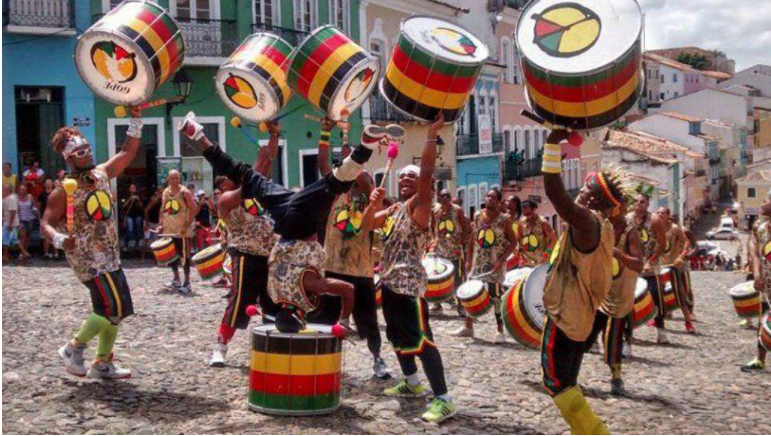
Why Many African Diaspora Businesses Struggle
Bureaucracy That Slows Momentum
Brazil’s regulatory environment is complex and time-consuming. Opening a business often requires multiple registrations, licenses, and approvals. For newcomers unfamiliar with the system, this becomes a costly barrier.
A Complicated Tax System
Entrepreneurs must navigate taxes at federal, state, and municipal levels. Without proper accounting support, many small businesses face fines, cash flow issues, or closure.
Limited Access to Capital
Access to credit remains a major challenge—especially for Black and immigrant entrepreneurs. Without local financial history or strong networks, raising capital becomes difficult.
Structural Inequality
Despite Brazil’s African cultural roots, systemic inequalities persist. African diaspora entrepreneurs often face limited access to investors, accelerators, and institutional support.
Language and Cultural Barriers
Portuguese is essential for doing business. Beyond language, Brazil operates on trust and relationships—making cultural integration critical for long-term success.
– Brazil vs Other Markets: What Makes It Different?
The Challenges
- Complex legal and regulatory systems
- High tax burden
- Slow administrative processes
- Costly labor structure
The Opportunities
- A consumer market of over 200 million people
- A rapidly growing digital economy
- Strong cultural openness to African identity and products
- Strategic access to Latin American markets
– Where the Opportunities Lie
African diaspora entrepreneurs have unique advantages in Brazil, particularly in sectors such as:
- Afro-centric fashion and lifestyle
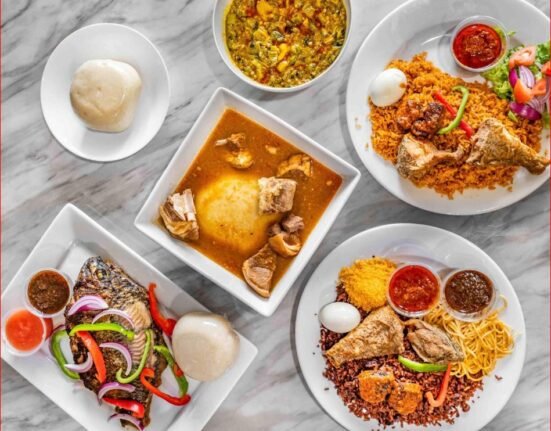
- African cuisine and hospitality
- Digital businesses and e-commerce
- Cultural events and tourism
Authenticity is a powerful differentiator—and in Brazil, it resonates strongly with consumers.
How to Succeed: A Practical Strategy Guide
1. Work with Local Experts
Hire a qualified accountant and legal advisor from the beginning. Understanding the system early prevents costly mistakes.
2. Start Lean and Scale Gradually
Test your business model with minimal overhead before expanding operations.
3. Build Relationships
Business in Brazil is relationship-driven. Networking and trust often matter more than marketing.
4. Focus on Niche Markets
Instead of competing broadly, target underserved communities with unique and culturally relevant offerings.
5. Invest in Language and Culture
Fluency in Portuguese—or strong local partnerships—is essential for growth.
6. Go Digital First
Leverage Brazil’s growing online economy to reduce costs and reach a wider audience.
From Survival to Success
Brazil is not an easy market—but it is a rewarding one for those who understand its rhythm.
Many African diaspora businesses fail not because the opportunity is absent, but because the environment is misunderstood. Success comes from preparation, adaptation, and strategic positioning.
Final Insight
“Brazil is not a difficult market—it is a different one. Those who learn how it works can transform struggle into sustainable success.”
Published by Afribraz Global Business Magazine – Connecting Africa, Brazil, and the Global Diaspora



Leave feedback about this