


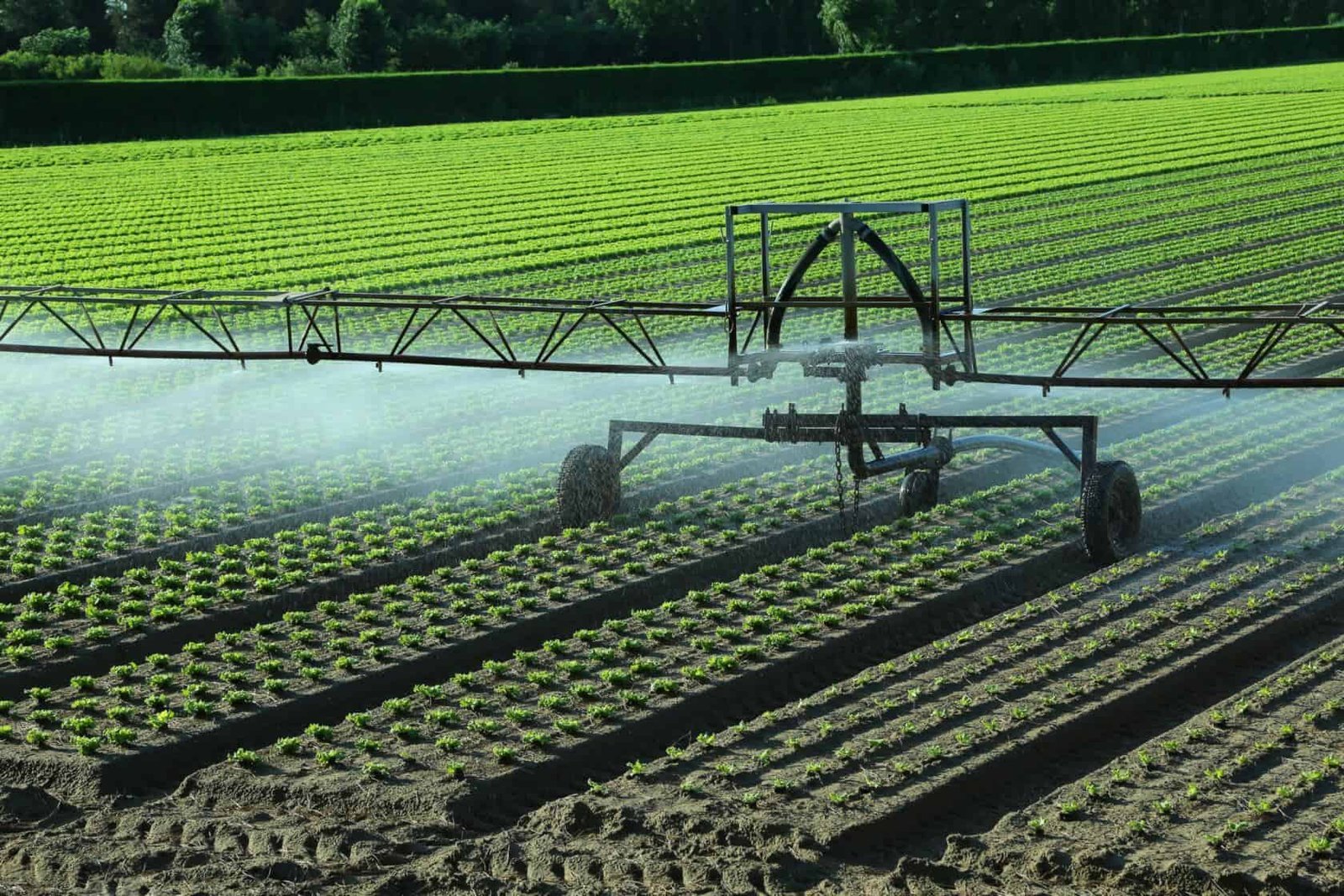
In a country blessed with vast fertile land, abundant rainfall, and a large population eager for economic opportunity, agriculture should naturally be the backbone of national prosperity. For Nigeria, this is not merely theory—it is historical fact. Before the oil boom of the 1970s, agriculture was the primary driver of the nation’s economy, supplying food, employment, and export revenue. Yet today, despite its enormous potential, agriculture remains underdeveloped. The question many observers ask is simple: Why does Nigeria appear not to fully recognize the power of its agricultural wealth?
A Nation Built on Farming
Agriculture once formed the foundation of Nigeria’s economy. Regions specialized in crops that became globally recognized exports: cocoa from the southwest, groundnuts from the north, palm oil from the southeast, and rubber from the south-south. These agricultural commodities helped build major infrastructure, fund education, and support the early growth of cities.
Even today, agriculture remains a major employer. According to estimates from organizations like the Food and Agriculture Organization and the World Bank, more than one-third of Nigeria’s workforce is engaged in farming and agricultural-related activities. The sector contributes significantly to food supply and rural livelihoods.
But employment alone does not translate into prosperity. Much of Nigeria’s agriculture is still small-scale, manual, and vulnerable to climate and market shocks.
The Oil Discovery That Changed Everything
The discovery and commercialization of oil dramatically shifted Nigeria’s economic priorities. When crude oil exports began to dominate government revenues in the 1970s, agriculture slowly lost the attention it once enjoyed.
Today, the Nigerian economy relies heavily on petroleum exports through companies such as Nigerian National Petroleum Company Limited. While oil brought enormous revenue, it also created a dangerous imbalance. Government budgets, infrastructure planning, and foreign exchange earnings became tied almost entirely to oil prices.
This dependency meant agriculture—though capable of feeding the population and generating export income—received less investment and policy focus.
Untapped Agricultural Potential
Nigeria possesses approximately 84 million hectares of arable land, but only a portion is actively cultivated. With modern technology, irrigation systems, improved seed varieties, and access to financing, the country could dramatically increase productivity.
Nigeria has the capacity to become a global agricultural powerhouse. The country could dominate in products such as:
-
Cassava
-
Cocoa
-
Palm oil
-
Rice
-
Maize
-
Sesame seeds
In fact, Nigeria is already one of the largest producers of cassava in the world. Yet much of this production is consumed domestically or sold without value-added processing.
If properly industrialized, agricultural production could create millions of jobs in processing, logistics, food manufacturing, and export trade.
Why the Potential Remains Unfulfilled
Several factors explain why Nigeria has struggled to fully harness its agricultural wealth.
Policy inconsistency has been one of the biggest obstacles. Agricultural programs often change with each new administration, preventing long-term planning.
Infrastructure gaps also limit productivity. Poor rural roads, limited storage facilities, and unreliable electricity make it difficult for farmers to bring products to market or process them locally.
Access to finance is another barrier. Many small farmers cannot obtain affordable credit to invest in equipment, seeds, or irrigation systems.
Finally, urban migration has reduced the farming workforce, as younger Nigerians seek opportunities in cities rather than in agriculture.






Leave feedback about this