


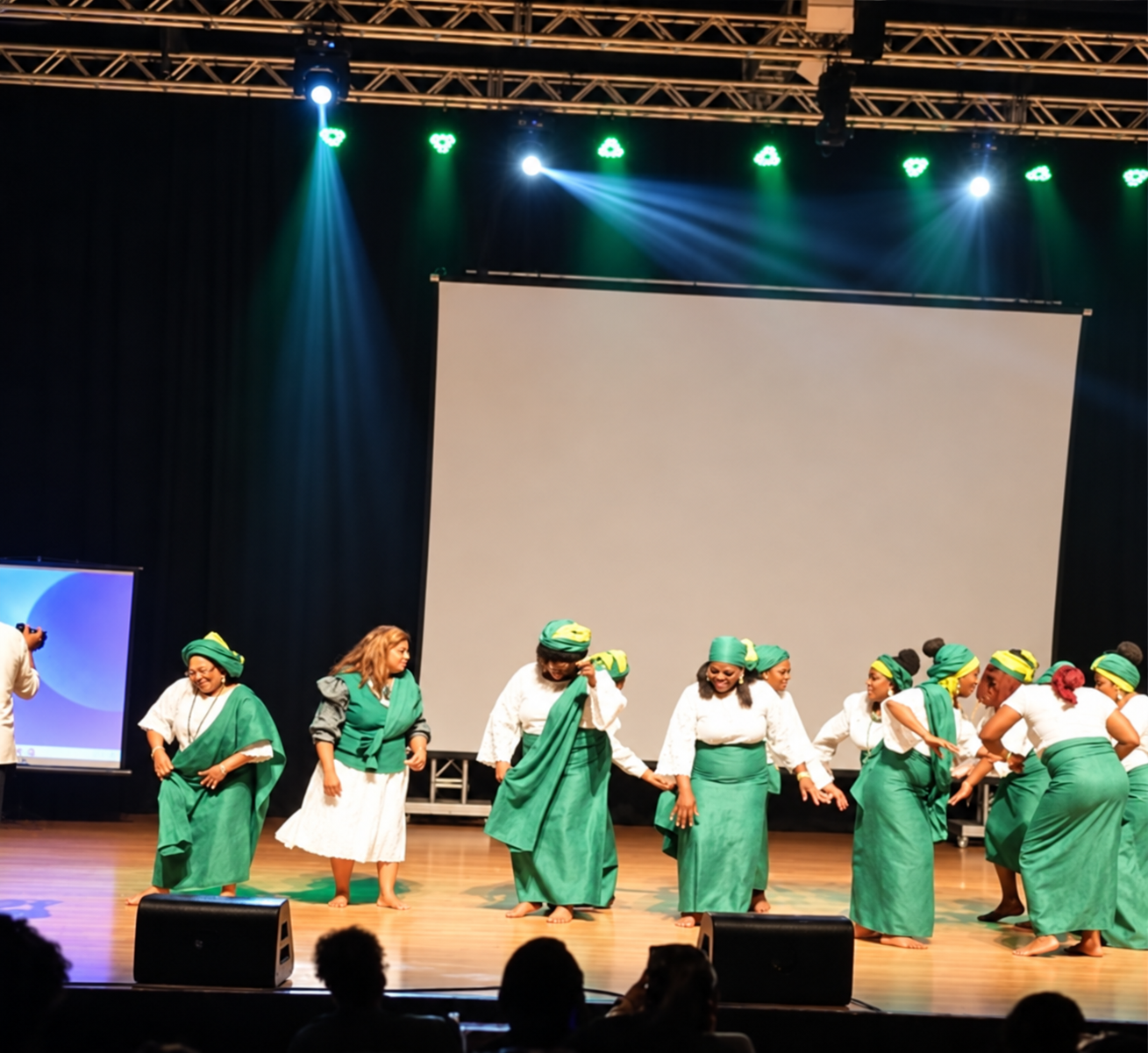
At São Paulo’s Galeria Olido, an inauguration filled with dance and cultural pride introduced an ambitious agenda for women’s solidarity, economic independence, and the next generation.
Women | Diaspora & Brazil–Africa Relations
By I. E. Aroh – Afribraz Global Business Magazine
SÃO PAULO, Brazil — The dancing made the celebration visible. The women’s ambitions gave it purpose.
On September 27, 2026, Nigerian women gathered at Galeria Olido in central São Paulo for the official launch and leadership inauguration of Nigeria National Community Women in Diaspora Brazil.
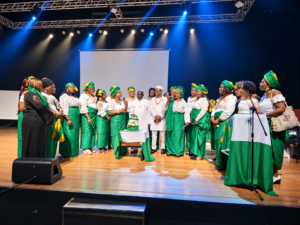
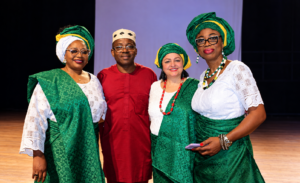
Traditional attire, national anthems, and performances brought Nigerian heritage into a Brazilian public cultural space, marking the start of an association determined to turn belonging into practical support.
The venue is at Avenida São João, 473, in República, placing the occasion in the heart of the city where these women are building their lives.
In written responses to Afribraz Global Business Magazine, the association’s president, Mrs. Favor Nwosu Ujor, identified its guiding principles as “LOVE, PEACE, and UNITY.” Her account described an organization seeking to bring Nigerian women together despite differences in background and circumstance.
The launch and swearing-in were also documented in a September 29 report by The Ancestral News, which identified Modinat Oluwatoyin Olanrewaju as vice-president.
Two Countries, One Community Occasion
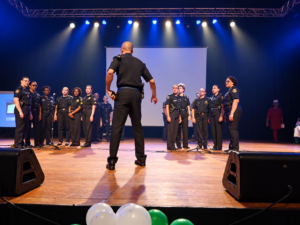
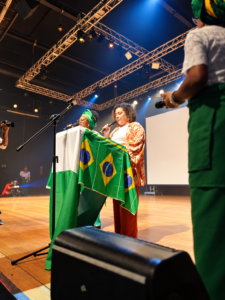
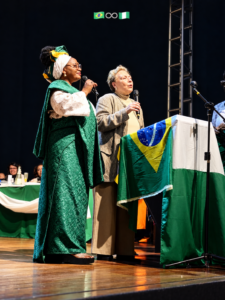
The ceremony opened with the Nigerian national anthem, followed by the Brazilian anthem, with participation from São Paulo’s Civil Guard. Published coverage also records the involvement of the Municipal Civil Guard Band, known as the GCM Band.
The sequence reflected the women’s relationship with both countries: a continuing attachment to Nigeria and an investment in their lives in Brazil.
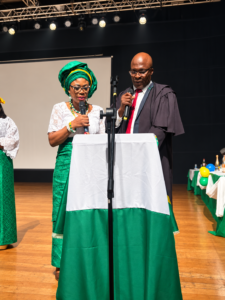
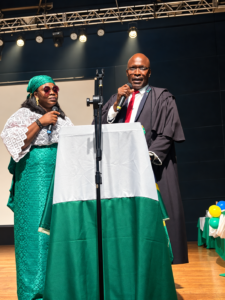
Barrister Joseph Ogochukwu Ogonna administered the oath of office during the swearing-in ceremony, formally installing the association’s leadership and affirming their responsibility to serve Nigerian women in Brazil.
The formal installation gave the connection an organizational foundation. Alongside Mrs. Ujor and the vice-president, the executive team assumed responsibility for developing an association whose stated objectives extend beyond social gatherings.
Heritage in Motion
The cultural program gave the celebration its distinctive character.
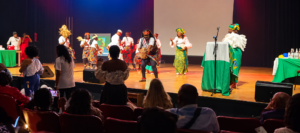
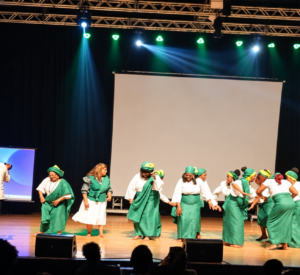
According to Mrs. Ujor’s response, Sister Margaret presented an Igb dance, Alhaja Folake presented a Yoruba dance, and Bonisiwe Nomsa Metiso performed a South African dance. These contributions brought diverse traditions together in the same program, connecting Nigerian cultural expression with the wider African community in Brazil.
Colorful clothing added another dimension to the performances. Heritage appeared through movement, dress, and participation, something people shared rather than simply describing it to an audience.
The account supplied to Afribraz described Brazilian guests as amazed by the presentation and the culture on display. Mrs. Ujor’s response likewise reported a positive reception of the event’s organization.
For the women themselves, however, cultural preservation goes beyond a successful performance.
Their proposed learning center would give women and children opportunities to study Nigerian traditions, values, and cultural practices.
From Solidarity to Economic Independence
The association, also known as “Special Breed,” outlines a broad support program.
Its stated priorities include education, mentoring, financial literacy, vocational training, and digital skills. It also seeks to encourage women’s participation in science, technology, engineering, and mathematics, and to build connections that could support employment and entrepreneurship.
Mrs. Ujor’s response places economic independence alongside personal and communal stability. Proposed activities include small-business support, financial education, and efforts to connect women with potential financing opportunities.
These are objectives for future development; the response does not establish that funding, microloans, or employment partnerships have already been secured.
The association also intends to advocate for gender equality, address gender-based violence, and create confidential spaces where women facing difficult circumstances can seek support.
Its emphasis on reducing hostility, gossip, and division reflects an equally practical concern: a support network depends on trust.
The People Behind the Celebration
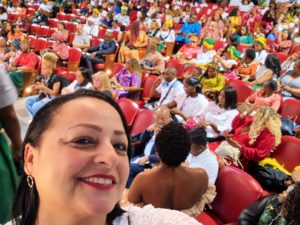
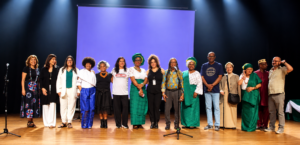
The event account listed Captain Alex Theophilus, the current Nigerian community leader, and Mr. Emeka Ujor, a former leader, among those present, along with Kabiyesi Adekunle Aderonmu of the African Cultural Center.
Other guests reported to Afribraz included Dandara Almeida of Galeria Olido and João Jorge Rodrigues of Fundação Cultural Palmares, whom the supplied account identified as representing Culture Minister Margareth Menezes.
In her written acknowledgments, Mrs. Ujor credited the association’s patron, Chief Frank Utomi, Ekwueme of Obior, Delta State, and her husband, Chukwuemeka Ujor, with substantial support. She also thanked Pastor Maxwell and numerous community members.
She reserved her most detailed appreciation for the women who organized and sustained the occasion.
She named Ify Dim, Anne (known as “Iron Lady”), and Jane Uwaifoh as central members of the inauguration team. Prisca, Chimere, Nkechi, Mum David (Okwy), and Alhaja Sade were among those recognized for preparing food, while Chinazam, Ugo, and their group helped with program arrangements outside the event.
These acknowledgments reveal the collective effort behind the ceremony: planning, cooking, coordinating, and contributing resources.
Building Belonging for the Next Generation
One response in the president’s submission described the association as a place to call home and expressed hope that children would learn their culture through it.
That aspiration gives the launch deeper significance.
The women are seeking a future in which integration into Brazilian society and the preservation of Nigerian identity can develop together.
Their challenge now is to turn a wide-ranging mission into achievable programs, reliable partnerships, and accessible support.
The inauguration demonstrated their ability to bring people together. What follows will show how that collective strength can serve women and children throughout the year.
At Galeria Olido, Nigerian women celebrated their heritage publicly. They also began defining how they intend to care for one another and what they want the next generation to inherit.


Leave feedback about this