


SPECIAL FEATURE
By Iearoh
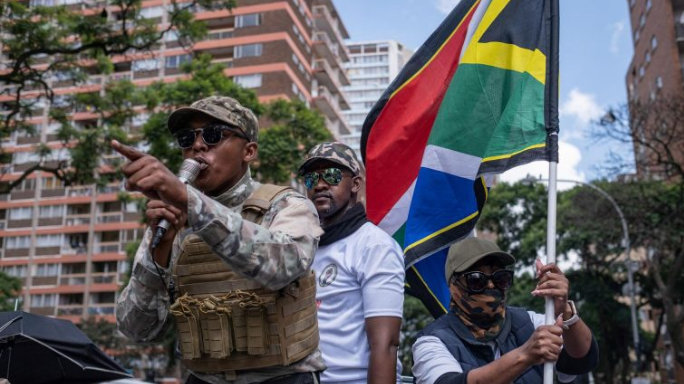
South Africa, long celebrated as a global symbol of resistance and reconciliation after the end of apartheid, is today facing a deep contradiction: recurring violence against foreigners, particularly Africans, raises serious questions about the very spirit of solidarity that once defined its liberation.
This special report by Afribraz Global Business Magazine examines the historical, social, and political roots of this crisis, and asks how far it could go.
1. The Past: African Solidarity Against Apartheid
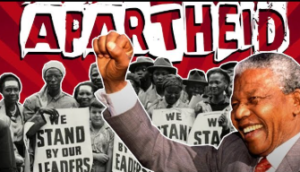
For decades, the apartheid regime (1948–1994) enforced a brutal system of racial segregation, keeping the white minority in power while denying rights to the black majority.
The struggle against apartheid was not only internal, it was continental and global.
- African countries such as Nigeria, Ghana, and Tanzania provided financial and political support
- Exiled South Africans were hosted across the continent
- Liberation movements received logistical backing
- The international community imposed sanctions
In essence: Africa helped liberate South Africa.
2. The Present: Violence Against Foreigners
Despite this history, South Africa now faces repeated waves of attacks against foreigners, often described as xenophobia or Afrophobia.
These attacks include:
- Looting and destruction of migrant-owned businesses
- Physical assaults and forced displacement
- Organized intimidation in communities
The violence has recurred since the 2000s, with major outbreaks in 2008, 2015, and again in recent years.
In 2026, new incidents targeting African nationals sparked diplomatic tensions, with countries such as Ghana demanding urgent action.
In some cases, anti-immigrant groups have even attempted to block foreigners from accessing basic services like healthcare and education.
3. What is Driving This Violence?
The causes are complex and interconnected:
a) Economic hardship and unemployment
- Extremely high unemployment rates
- Competition for jobs and informal business opportunities
- Perception that foreigners are “taking jobs”
b) Structural inequality
Violence often emerges in marginalized communities with limited access to services and opportunities.
c) Political and social narratives
Some public narratives link foreigners to crime, often without solid evidence.
d) Identity and belonging
There is a persistent belief among some groups that foreigners are temporary “outsiders” who should return home.
e) Internal frustration
Many analysts argue that xenophobia reflects deeper frustrations over unmet expectations in post-apartheid South Africa.
4. Xenophobia or Something Deeper?
There is an ongoing debate:
- Xenophobia: fear or hatred of foreigners
- Afrophobia: hostility specifically toward other Africans
- Socioeconomic crisis: violence as a symptom rather than a cause
Some analysts argue that labeling it simply as “xenophobia” oversimplifies a deeper structural problem.
5. What Do Foreigners Say?
Among African migrants, common sentiments include:
- A sense of historical betrayal (“we stood with you”)
- Constant fear and insecurity
- Economic vulnerability
Many remain because:
- South Africa still offers relatively better economic opportunities
- They have established business networks
Yet a growing question persists: is it still worth staying?
6. What About White South Africans?
The white population is not monolithic, but some general patterns emerge:
- Many condemn the violence and call for stability
- Business communities fear negative economic consequences
- Some view immigration as adding pressure to already strained systems
Overall, concerns tend to center more on economic stability and law enforcement than identity politics.
7. Government Position
The South African government officially:
- Condemns the violence
- Promises investigations and accountability
- Reaffirms that the Constitution protects everyone, including migrants
However, critics argue:
- Responses are often reactive rather than preventive
- Structural solutions remain insufficient
8. Diplomatic Impact
The consequences are already unfolding:
- Protests and official complaints from other African nations
- Diplomatic tensions and ambassadorial engagements
- Risks to South Africa’s leadership role on the continent
9. How Far Could This Go?
If not addressed, the situation could escalate into:
- Retaliation against South Africans abroad
- Decline in foreign investment
- Weakening of African regional integration
- Increased internal instability
Experts warn: violence against foreigners can ultimately destabilize the country itself.
10. Are These Violences “Necessary”?
Clearly, they are not.
Violence:
- Does not solve unemployment
- Does not improve public services
- Does not strengthen the economy
Instead, it:
- Discourages investment
- Damages trade
- Harms South Africa’s global reputation
Conclusion: A Crisis of African Identity
South Africa now faces a profound historical question:
How can a nation liberated through African solidarity turn against fellow Africans?
The answer lies not only in policy or economics, but in a deeper reconstruction of values, identity, and continental responsibility.
The future of African unity may depend on it.



Leave feedback about this