


Afribraz Global Business Magazine- Exclusive Feature
In less than a decade, Guyana has transformed itself from one of South America’s quietest economies into one of the world’s fastest-rising oil frontiers. What was once largely known for sugar, rice, gold, and dense rainforests is now being discussed in the same energy circles as major petroleum-producing nations.
The discovery of massive offshore crude oil reserves in the Stabroek Block has changed the destiny of the small English-speaking Caribbean-South American nation forever. Today, Guyana stands at the center of a new geopolitical and economic conversation involving American influence, Caribbean strategic positioning, global energy security, and the future of regional development.
For many observers across Africa, the Caribbean, and Latin America, Guyana’s oil story is no longer simply about petroleum; it is about power, influence, infrastructure, diplomacy, and who truly benefits from natural wealth.
The Discovery That Changed Everything
The turning point came in 2015 when ExxonMobil announced a major offshore oil discovery in Guyana’s Stabroek Block. What initially appeared to be a promising exploration quickly evolved into one of the largest offshore discoveries in modern energy history.
Since then, billions of barrels of recoverable crude oil have been confirmed offshore, attracting global attention from energy giants, investors, and governments.
Production officially began in 2019, and Guyana’s economic trajectory immediately changed. The country suddenly became one of the fastest-growing economies in the world, recording extraordinary GDP growth figures that shocked global financial institutions.
For a nation with a relatively small population, the scale of oil wealth entering the economy has been historic.
American Influence and Strategic Interests
The rise of Guyana’s oil sector cannot be discussed without examining the strong influence of the United States.
American energy corporations, especially ExxonMobil, have become central players in Guyana’s oil development. Alongside partners like Hess Corporation and CNOOC Limited, U.S.-linked interests dominate much of the offshore exploration and production activities.
However, beyond business, analysts believe Guyana has become strategically important to Washington for several reasons:
- Energy security diversification
- Caribbean geopolitical influence
- Strategic balancing in South America
- Protection of Western energy interests
- Maritime and shipping security
Guyana’s location near the Caribbean shipping lanes gives it increasing strategic value in global energy transportation.
The United States has also strengthened diplomatic, military, and economic cooperation with Guyana in recent years, especially amid regional tensions surrounding territorial disputes with neighboring Venezuela.
To many geopolitical observers, Guyana is gradually becoming one of America’s most strategically important emerging partners in the Caribbean basin.
The Crude Oil Boom: Blessing or Future Risk?
Oil wealth often brings opportunities, but history also shows that sudden petroleum riches can create deep national challenges if not managed properly.
Guyana now faces one of the most critical questions confronting every resource-rich developing nation:
How can natural wealth become long-term national prosperity rather than temporary elite enrichment?
The opportunities are enormous:
- Massive infrastructure expansion
- Modern ports and logistics systems
- Energy sector employment
- Financial sector growth
- Real estate and construction boom
- Increased foreign investment
- Regional trade expansion
Yet there are growing concerns about:
- Wealth inequality
- Environmental risks
- Foreign corporate dominance
- Corruption vulnerability
- Inflation and rising living costs
- Economic overdependence on oil
Many Guyanese citizens hope the country can avoid the “resource curse” that has affected several oil-producing nations globally.
The challenge for Guyana is not merely producing crude oil; it is building institutions strong enough to transform oil revenue into sustainable development for future generations.
The Saint Croix Connection
One of the most interesting dimensions of Guyana’s oil expansion is the emerging connection with Saint Croix.
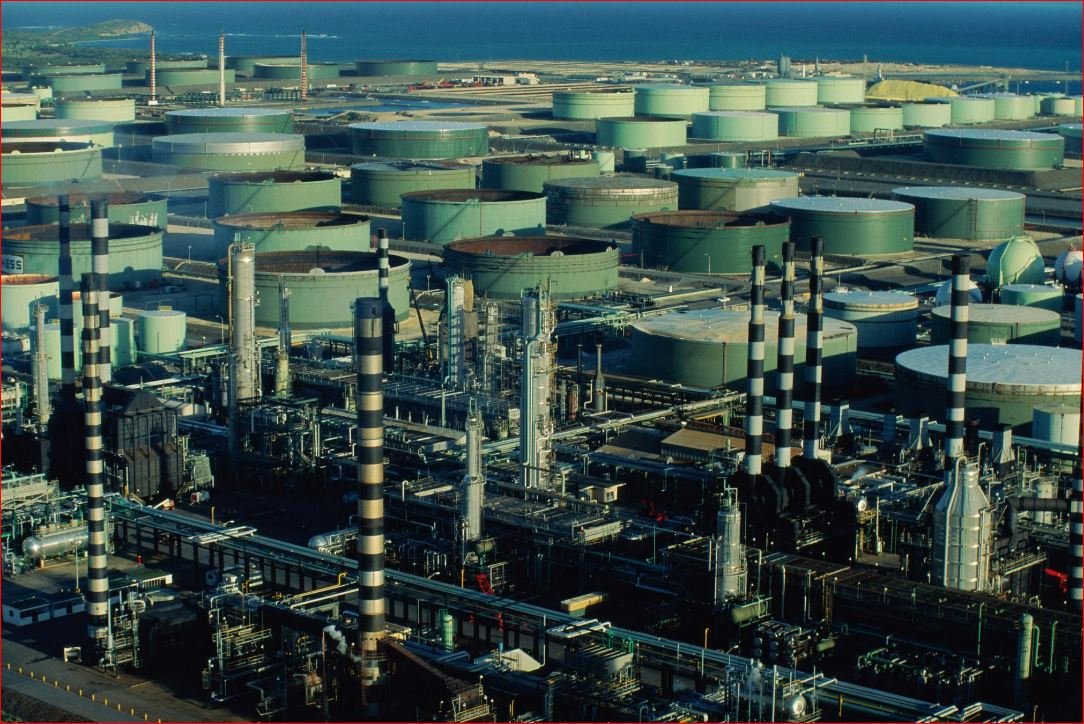
Historically known for its refinery infrastructure and strategic Caribbean positioning, Saint Croix has increasingly re-entered discussions surrounding energy logistics and crude processing linked to Caribbean petroleum development.
The reopening and repositioning of refinery facilities on the island have generated interest because of their potential role in handling crude flows from the Guyana basin.
The connection matters for several reasons:
Strategic Caribbean Energy Hub
Saint Croix sits in a geographically strategic position for shipping, refining, and petroleum distribution across the Americas and Atlantic markets.
American Territorial Advantage
As part of the U.S. Virgin Islands, Saint Croix provides American-linked infrastructure influence within Caribbean energy operations.
Refining and Storage Potential
Guyana’s rapidly expanding production requires logistics networks, refining capacity, storage facilities, and export support systems. Saint Croix could become one of the regional operational centers connected to this oil movement.
Employment and Regional Trade
The Caribbean energy chain linked to Guyana may create broader economic activity throughout the region, from shipping to maritime services, logistics, engineering, and finance.
For many Caribbean policymakers, the Guyana-Saint Croix relationship symbolizes the beginning of a new Caribbean energy corridor.
Caribbean and Global Implications
Guyana’s emergence is reshaping regional economic thinking.
For decades, many Caribbean economies depended heavily on tourism and imports. The rise of a major oil-producing nation within the Caribbean geopolitical space introduces new possibilities for:
- Regional industrialization
- Energy partnerships
- Maritime development
- Petrochemical investments
- Infrastructure financing
- Cross-Caribbean trade integration
Countries throughout the Caribbean are watching Guyana closely, hoping the energy boom can stimulate broader regional opportunities.
Meanwhile, global investors now see Guyana as one of the most important frontier energy markets of the 21st century.
Africa and the Guyana Example
Across Africa, many policymakers and entrepreneurs are also studying Guyana’s rise carefully.
The story raises important lessons about:
- Resource governance
- Foreign investment negotiation
- Sovereign wealth management
- Diaspora engagement
- Energy diplomacy
- Regional integration
Nations rich in natural resources continue to confront the same question:
How can a country maintain sovereignty while partnering with powerful global energy interests?
Guyana’s next decade may provide answers.
A Nation Standing at a Historic Crossroads
Guyana is no longer a forgotten corner of South America.
It is now a rising energy state with growing geopolitical relevance, increasing American strategic engagement, and expanding Caribbean influence.
The Saint Croix connection further highlights how the future of Caribbean energy may become increasingly interconnected through logistics, refining, maritime trade, and petroleum infrastructure networks.
Yet beyond the billions of dollars and the offshore drilling platforms lies the real test:
Will oil merely enrich corporations and political elites, or will it fundamentally transform the lives of ordinary Guyanese citizens?
The answer to that question will determine whether Guyana becomes a true model of modern resource-driven development or another cautionary tale in the long history of global oil politics.
For now, the world watches as Guyana writes one of the most remarkable economic stories of modern times.





Leave feedback about this