


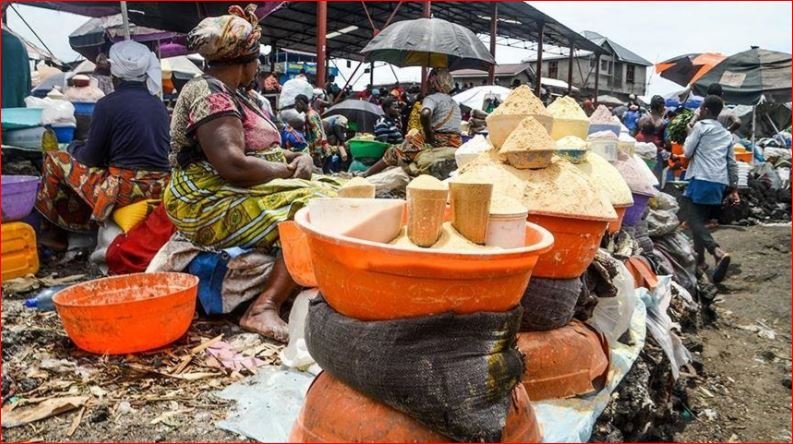
By Afribraz Editorial Desk
The Democratic Republic of the Congo (DRC) is often described as a paradox of global economics, a land overflowing with natural wealth, yet burdened by widespread poverty. For Brazil, Africa, and the global business community, Congo represents both a cautionary tale and a massive untapped opportunity.
The $24 Trillion Question: How Rich Is Congo?
Few countries on earth can rival the natural endowment of the DRC:
- Holds over 70% of the world’s cobalt reserves
- Among the top producers of:
- Copper
- Gold
- Diamonds
- Coltan (critical for smartphones and electronics)
The southern region, especially Katanga, is a global mining hub, attracting multinational corporations and governments seeking strategic minerals for the green energy transition.
In simple terms:
If natural resources equaled prosperity, Congo would be one of the richest countries on earth.
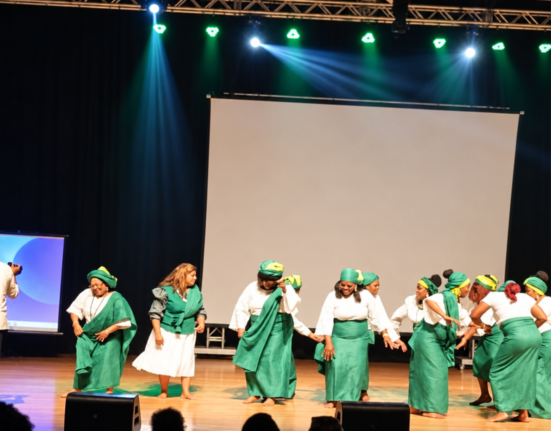
Cultural Wealth: The Soul of Central Africa
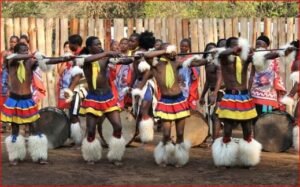
Beyond minerals, Congo is a cultural powerhouse:
- Birthplace of Congolese rumba, influencing African and global music
- Home to the famous Sapeur fashion movement
- A nation with over 200 ethnic groups
- A vibrant creative economy spanning music, dance, film, and visual arts
Kinshasa, one of Africa’s largest cities, pulses with creativity, resilience, and entrepreneurial spirit.
Why Then Does Poverty Persist?
Despite its wealth, over 70% of Congolese citizens live in poverty. The reasons are structural and historical:
1. Conflict Without End
The aftermath of the Second Congo War still lingers.
Eastern Congo remains unstable, with armed groups competing for control of mineral-rich territories.
2. Governance and Corruption
Weak institutions and systemic corruption have prevented mineral wealth from benefiting the population. Public funds often fail to translate into infrastructure, healthcare, or education.
3. The Resource Curse
The DRC exemplifies the classic economic paradox where countries rich in natural resources experience:
- Slower development
- Higher inequality
- Greater instability
4. Foreign Exploitation
Global demand for cobalt and coltan has led to:
- Informal mining
- Smuggling networks
- Unequal contracts with foreign companies
Many Congolese feel their resources power the world, but not their own economy.
Leadership and Political Direction
The current president, Félix Tshisekedi, has led the country since 2019.
His administration has focused on:
- Reforming mining contracts
- Strengthening international partnerships
- Addressing insecurity in the east
However, challenges remain:
- Public skepticism about reforms
- Questions about electoral transparency
- Continued instability in key regions
Voices from the Ground: What Congolese Are Saying
Across Kinshasa, Goma, and beyond, a common sentiment echoes:
“Congo is rich, but its people are poor.”
Public Opinion Trends
- Frustration with political elites
- Distrust of foreign mining agreements
- Demand for jobs and accountability
- Hope driven by youth and entrepreneurship
The Congolese people are not passive; civil society movements and young leaders are increasingly vocal about change.
Brazil–Congo: A Strategic Opportunity
For Brazil, the DRC presents a powerful frontier for South–South cooperation.
Key Areas of Collaboration
- Mining technology and regulation
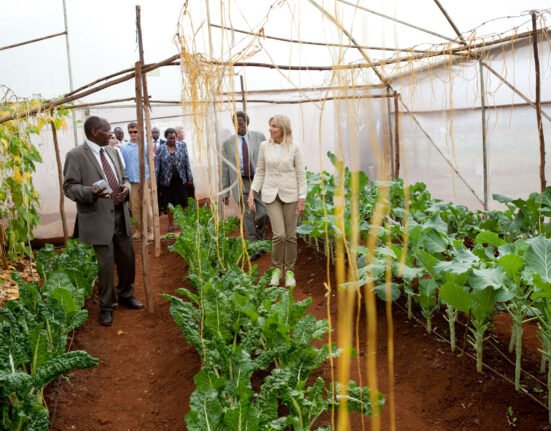
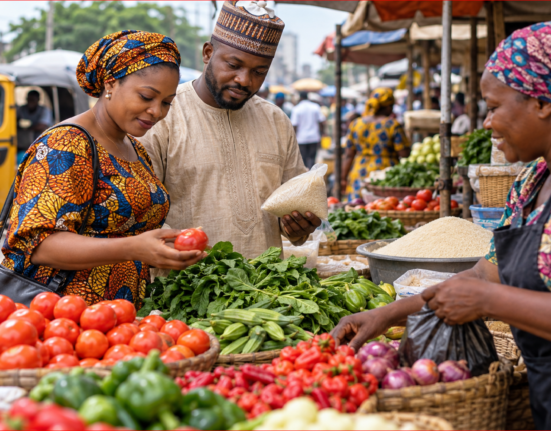
- Agriculture and food processing
- Infrastructure development
- Cultural and creative industries
- Energy and sustainability
Organizations like ApexBrasil can play a vital role in facilitating ethical, mutually beneficial trade relations.
The Way Forward: From Extraction to Transformation
For Congo to rise, three pillars are essential:
- Transparent Governance
- Value Addition (industrialization, not just raw export)
- Peace and Security in the East
Final Word
The Democratic Republic of the Congo is not lacking in wealth; it is navigating the difficult journey of converting that wealth into national prosperity.
For investors, policymakers, and global partners, the message is clear:
Congo is not just a story of what went wrong; it is a story of what could still go right.
Afribraz Perspective
As Africa and Brazil deepen economic ties, the DRC stands as a strategic partner whose future will shape not only Central Africa but also the global supply chain of tomorrow.

Leave feedback about this