


Afribraz Global Business Magazine
A South–South Opportunity Whose Time Has Come
As global trade dynamics shift toward South–South cooperation, the economic corridor between Brazil and Nigeria is emerging as one of the most promising frontiers for industrial collaboration in 2026.
Brazil, a global powerhouse in agribusiness, light manufacturing, and industrial machinery, offers a tested development model that Nigeria can adapt—not merely through imports, but through localized production, technology transfer, and regional exports.
For Nigerian entrepreneurs, investors, and policymakers, the question is no longer whether to engage Brazil, but how to do so strategically.
Small-Scale Manufacturing: Building from the Ground Up
At the foundation of Brazil’s industrial success lies its robust small-scale processing sector, particularly in agriculture. This is a natural entry point for Nigeria, given its vast agricultural base.
Key Opportunities
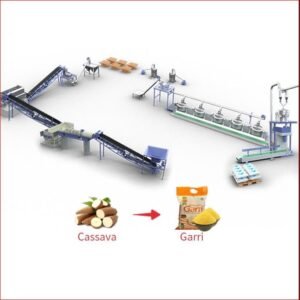
Cassava processing into garri and high-quality flour
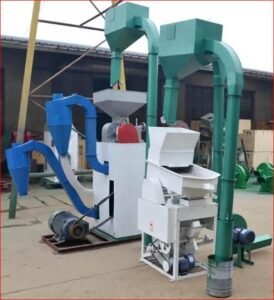
Mini rice milling operations
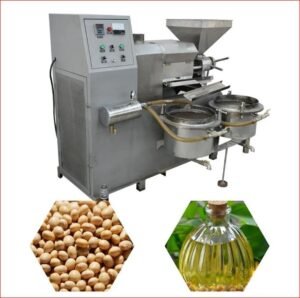
Soybean and groundnut oil extraction
Animal feed production
Why It Works
Nigeria already produces raw agricultural commodities at scale, but loses value due to limited processing. Brazil’s model demonstrates how low-cost, small-scale machinery can transform raw produce into market-ready goods.
Machines to Source from Brazil
Grain milling machines
Oil extraction presses
Drying systems
Packaging units
These machines are relatively affordable and designed for developing market conditions, making them ideal for Nigerian entrepreneurs.
Food and Beverage Processing: Feeding a Growing Market
Brazil’s food processing industry is among the most advanced globally, spanning bakery, beverages, meat processing, and packaged foods.
Business Segments
Bread and bakery production
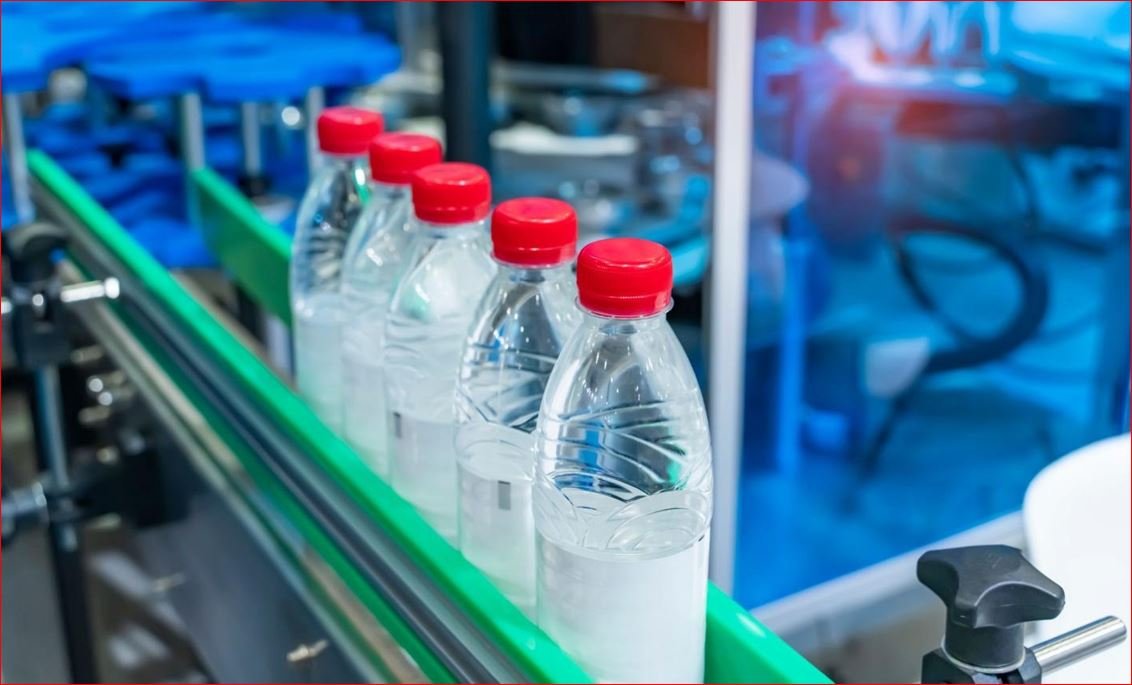
Fruit juice and beverage bottling
Packaged snacks and fast-moving consumer goods
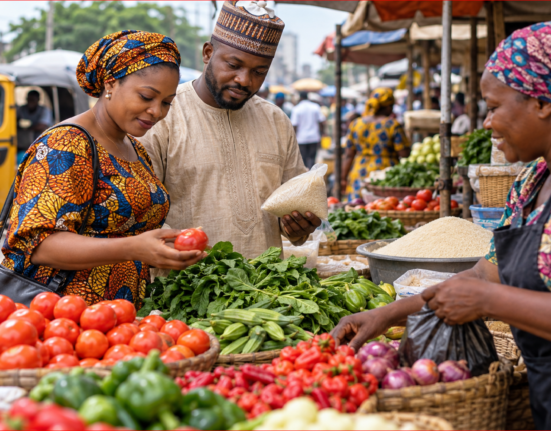
With Nigeria’s population exceeding 200 million, demand for processed food continues to surge. The opportunity lies in importing Brazilian processing technology and producing locally.
Medium-Scale Manufacturing: The Industrial Leap

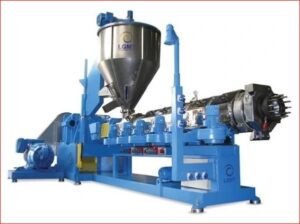
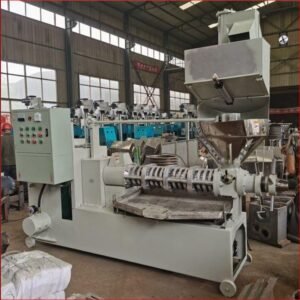
For investors ready to scale, medium-sized manufacturing offers higher returns and deeper industrial impact.
Plastics and Packaging Industry
Nigeria’s consumer market depends heavily on packaging
Opportunities include:
- PET bottle production
- Nylon and flexible packaging
- Plastic containers
Brazil exports plastic and polymer processing machines, which can be deployed in Nigeria to replace imports.
Textile and Garment Production
Brazil’s textile machinery sector provides a pathway for Nigeria to revive its dormant textile industry.
Key areas:
- T-shirt and casual wear production
- School uniforms
- Fabric finishing and printing
This sector not only generates revenue but also creates large-scale employment.
Construction Materials Manufacturing
With rapid urbanization in Nigeria, demand for building materials continues to rise.
Viable ventures:
- Cement blocks and interlocking bricks
- Roofing sheets
- Tiles and prefabricated materials
Brazilian machinery in this sector is known for durability and efficiency, making it suitable for African markets.
Agro-Equipment Distribution
Rather than farming directly, entrepreneurs can profit by supplying farmers.
High-demand products:
- Small tractors
- Irrigation systems
- Feed processing machines
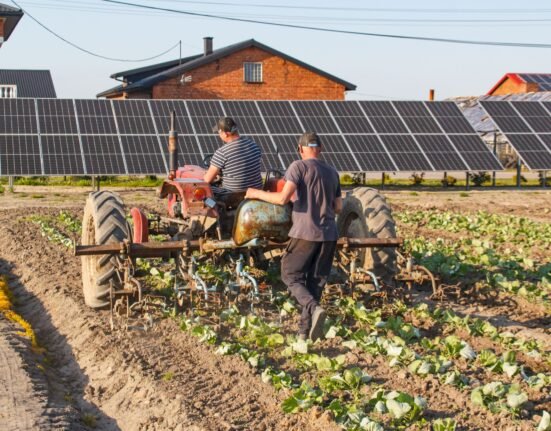
Brazil’s strength in agricultural mechanization positions it as a reliable supplier for Nigeria’s growing farming sector.
Export-Oriented Trade: Importing Value from Brazil
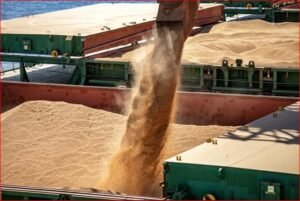
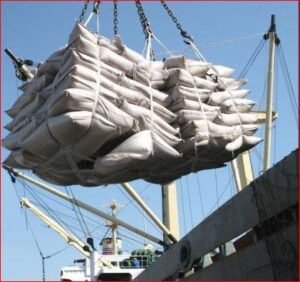
Beyond manufacturing, Nigerian businesses can engage in strategic importation and distribution of Brazilian commodities.
High-Demand Imports
* Soybeans and corn
* Sugar
* Frozen poultry and beef
Brazil is one of the world’s leading exporters of agricultural commodities, offering competitive pricing and a consistent supply.
Machinery Importation: The Smartest Business Model
A key lesson from Brazil’s industrialization is clear:
“Nations do not industrialize by importing goods—they industrialize by importing machines.”
Nigerian entrepreneurs can build sustainable businesses by:
- Importing Brazilian machinery
- Establishing local production facilities
- Expanding distribution across West Africa
This model transforms Nigeria from a consumption economy into a production hub
Strategic Advantages of Brazil–Nigeria Collaboration
Several factors make this partnership uniquely viable:
- Climate similarity enables shared agricultural practices
- Proven industrial models adaptable to Nigerian realities
- Affordable machinery tailored for emerging markets
- Expanding South–South trade diplomacy
Top Five Business Opportunities for 2026
For immediate impact, Afribraz Global Business Magazine recommends:
- Cassava processing factories (garri and flour)
- Plastic packaging production plants
- Mini rice milling operations
- Cooking oil production facilities
- Import and distribution of agro-industrial machinery
Conclusion: From Trade to Transformation
The Brazil–Nigeria economic relationship must evolve beyond trade into an industrial partnership and knowledge exchange.
For Nigeria, the opportunity is clear:
- Move from exporting raw materials
- To produce finished goods
- And ultimately exporting across Africa
For Brazil, Nigeria represents a gateway into Africa’s largest consumer market.
The future of this partnership lies not in transactions, but in shared industrial growth, a vision that Afribraz Global Business Magazine believes will define the next decade of South–South economic cooperation.




Leave feedback about this