
By Afribraz Global Business Magazine
Yam is more than just a staple food—it is a cultural symbol, a source of livelihood, and a crop deeply woven into the history of many societies. Often confused with sweet potatoes, true yams belong to the botanical genus Dioscorea and have played a central role in feeding populations for thousands of years.
The Origin of Yam: Myth, History, and Science
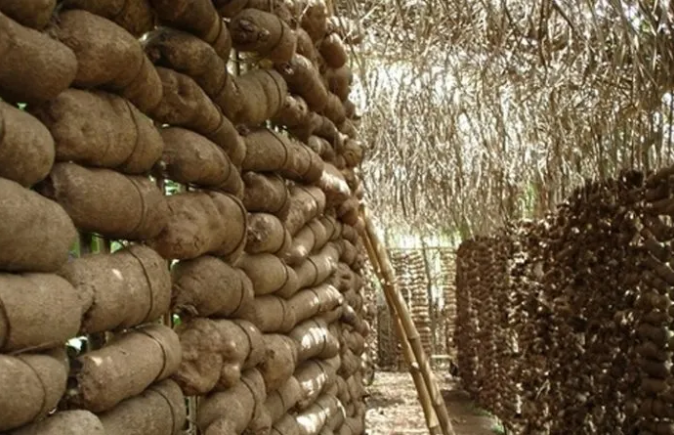
The origin of yam is widely traced to West Africa, where it has been cultivated for over 8,000 years. Countries like Nigeria, Ghana, and Benin remain the heart of global yam production today.
In many African traditions, yam is not just food—it is sacred. Among the Igbo people of southeastern Nigeria, the New Yam Festival (Iri Ji) celebrates the harvest season, marking renewal, gratitude, and community unity. Oral histories and local beliefs often credit divine gifts or ancestral discovery as the origin of yam cultivation.
From a scientific perspective, different species of yam were domesticated independently in Africa, Asia, and South America, making it one of the few crops with multiple centers of origin.
Where Yams Are Found Today
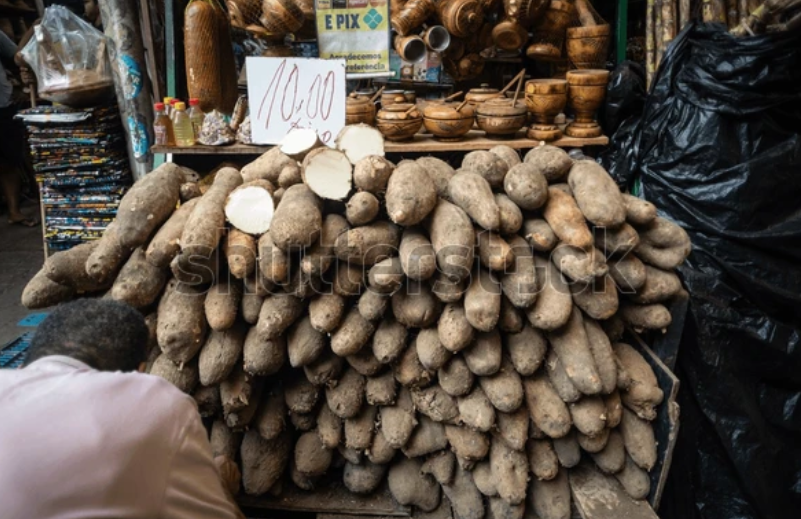

Today, yams are cultivated across tropical and subtropical regions of the world:
- Africa remains the largest producer, especially Nigeria, which accounts for over 60% of global supply.
- In the Caribbean, countries like Jamaica and Haiti grow yams as dietary staples.
- In Asia, yams are common in India and Philippines, where varieties differ in taste and texture.
- In Latin America, yam cultivation is present in Brazil and surrounding regions, often integrated into local cuisine.
Despite their global spread, yam production remains labor-intensive, requiring staking, careful harvesting, and traditional knowledge passed through generations.
Cultural Meaning and Perception
Across continents, yam carries different meanings:
- In Africa, it symbolizes wealth, fertility, and hard work. A successful yam harvest often reflects social status.
- In the Caribbean, it represents heritage and resilience, tied to African ancestry and survival through history.
- In Asia, yams are often associated with health, used in both cuisine and traditional medicine.
Globally, however, there is still confusion between yams and sweet potatoes—especially in Western supermarkets, where the term “yam” is often misapplied.
From Farm to Dining Table


The journey of yam from soil to plate is a story of transformation:
- Harvesting – Carefully dug from the earth to avoid damage.
- Processing – Peeled, sliced, pounded, or dried depending on the dish.
- Cooking – Boiled, fried, roasted, or pounded into dough-like textures.
Popular dishes include:
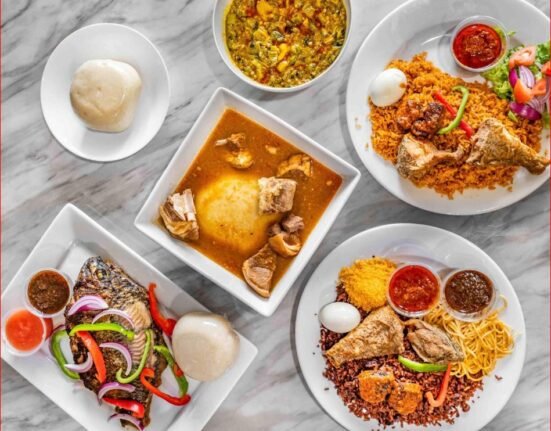
- Pounded yam (a smooth, elastic staple in West Africa)
- Yam porridge (rich with spices, palm oil, and vegetables)
- Fried yam (crispy and golden, often served with sauces)
At the dining table, yam represents nourishment and tradition. It is rarely eaten alone—it comes with soups, stews, or sauces that reflect local flavors and identity.
The End of Yam on the Dining Table: Changing Trends
While yam remains a staple in many regions, its place on the modern dining table is evolving:
- Urbanization has reduced traditional farming practices.
- Fast food culture is replacing time-intensive meals like pounded yam.
- Globalization is introducing alternative staples such as rice, pasta, and bread.
However, yam is also experiencing a revival. Health-conscious consumers are rediscovering its nutritional benefits—rich in fiber, vitamins, and complex carbohydrates. Chefs around the world are reimagining yam in modern cuisine, from yam fries to gourmet dishes.
Conclusion
Yam is more than a crop, it is a bridge between past and present, tradition and innovation. From ancient farms in Nigeria to modern kitchens across Brazil and beyond, yam continues to nourish both body and culture. Though its role may be shifting in a rapidly changing world, yam remains rooted in identity, history, and the enduring connection between people and the land.