
Over the past decade, the transport and logistics sector in West Africa has transformed from a fragmented, infrastructure-limited system into one of the fastest-growing logistics corridors in the emerging global economy. Driven by population growth, trade expansion, and foreign investment, the region is rapidly positioning itself as a strategic gateway between Africa, Europe, Asia, and the Americas.
he Big Picture: A Decade of Acceleration
Between 2015 and 2026, West Africa’s logistics sector has experienced:
- Rising trade volumes, especially with Asia
- Expansion of container shipping capacity
- Increased private sector participation in ports and logistics
- Growth in regional trade under ECOWAS
Container traffic between Asia and West Africa alone recorded strong growth, with volumes rising significantly and exceeding 180,000 TEUs monthly in some corridors .
However, growth has often outpaced infrastructure, creating both opportunities and bottlenecks.
Seaports: The Backbone of Trade
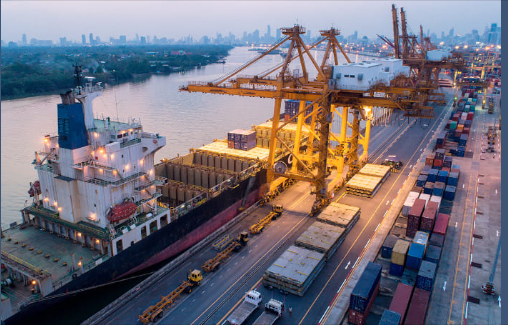

Seaports remain the lifeline of West African logistics, handling over 80% of imports and exports.
Key Port Hubs
- Lagos (Nigeria) – including Lekki Deep Sea Port
- Tema (Ghana)
- Abidjan (Côte d’Ivoire)
- Lomé (Togo)
- Cotonou (Benin)
These ports collectively account for over 75% of maritime trade in the region .
Recent Developments
- Lekki Deep Sea Port, commissioned in 2023, can handle 2.5 million containers annually, making it one of the largest in West Africa .
- Lomé has emerged as a regional transshipment hub, handling over 30 million tonnes of cargo annually .
- Ports are now receiving ultra-large vessels (over 24,000 TEUs), signaling modernization .
Challenges
- Port congestion (especially Lagos)
- Long vessel waiting times (up to 12 days)
- Customs delays and limited automation.
Airports: Rising but Underutilized
Air logistics is growing, especially for:
- High-value cargo (electronics, pharmaceuticals)
- Perishables (flowers, seafood)
Major hubs include:
- Murtala Muhammed International Airport
- Kotoka International Airport
- Blaise Diagne International Airport
While investments have improved cargo terminals, air freight still represents a small share of total logistics, due to high costs and limited cargo fleets.
Road Infrastructure: The Critical Weak Link
Despite improvements, roads remain the biggest bottleneck in West African logistics.
Key Developments
- The Lagos–Abidjan highway corridor is a $15.6 billion regional integration project linking five countries
- Expansion of inland corridors connecting ports to landlocked countries like Burkina Faso and Mali
Challenges
- Poor road quality and congestion
- Delays at border crossings
- High cost of inland transportation
In some cases, moving goods within a city costs more than shipping internationally, highlighting inefficiencies.
Rail and Inland Logistics: The Missing Link
Rail infrastructure remains underdeveloped but is gaining attention:
- Rehabilitation of Lagos–Kano rail line
- Integration of dry ports and inland logistics hubs
- Growth of warehouse and distribution centers (occupancy ~83%)
Countries like Côte d’Ivoire are investing in inland logistics to support regional trade corridors.
Currency and Trade Environment
West Africa operates a mix of currencies:
- Naira (Nigeria)
- Cedi (Ghana)
- CFA Franc (used by 8 countries)
Currency volatility—especially in Nigeria and Ghana—affects:
- Freight pricing
- Import/export costs
- Investor confidence
However, regional integration under ECOWAS and the proposed single currency (ECO) could reshape logistics economics in the future.
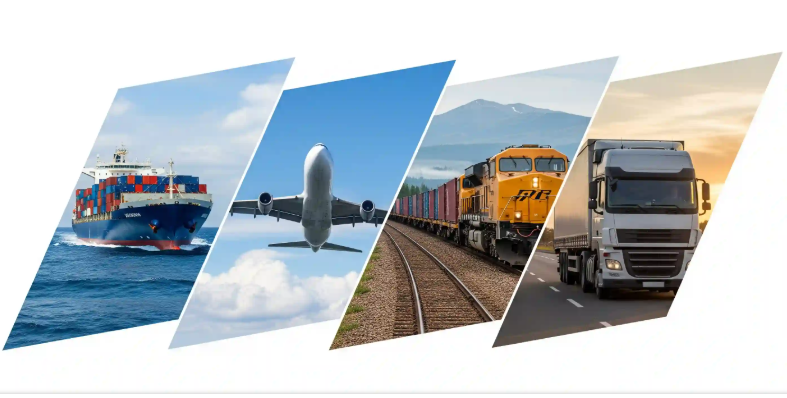
Trucks, Containers, and Fleet Expansion
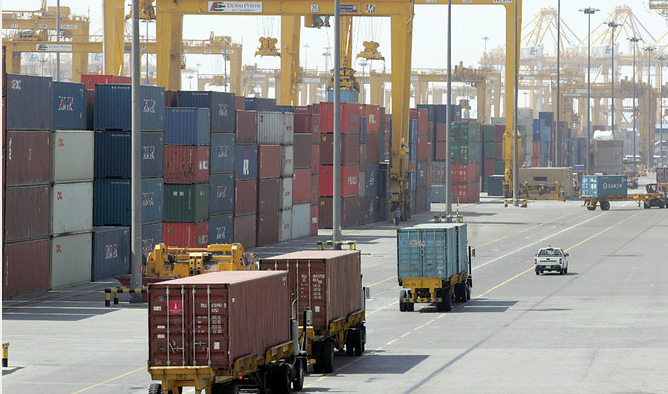

Trucks
- Dominant mode for inland transport
- Mostly diesel-powered, aging fleets
- Increasing demand for modern haulage systems
Containers
- Surge in containerization due to global trade
- Shortages and congestion creating “container crunch” situations
Ships
- Entry of mega container vessels (24,000 TEU class)
- Increased presence of global shipping giants
Shipping lines are investing heavily, signaling confidence in the region’s future.
Labor Force: The Human Engine
The logistics sector employs millions across:
- Port operations
- Truck driving
- Warehousing
- Customs and clearing
Key Realities
- Labor remains largely informal
- Skills gaps in logistics technology and automation
- Growing demand for trained professionals
Despite challenges, the sector is a major job creator, especially for youth.
Business Opportunities in West African Logistics
The sector presents vast opportunities for investors, entrepreneurs, and governments:
High-Growth Areas
- Port terminal operations
- Trucking and fleet management
- Warehousing and cold-chain logistics
- E-commerce fulfillment
- Inland dry ports and logistics parks
Emerging Trends
- Digital logistics platforms
- Blockchain cargo tracking
- Public-private partnerships (PPP)
- Green logistics and sustainability.
The Future Outlook: From Bottleneck to Global Hub
West Africa is at a turning point.
With continued investments:
- Ports will become globally competitive
- Regional corridors will boost intra-African trade
- Logistics costs will gradually decline
Yet, the region must address:
- Infrastructure gaps
- Policy inefficiencies
- Security and border delays
Conclusion
Transport and logistics in West Africa is no longer a support sector—it is now a driver of economic transformation.
From the expanding capacity of Lekki Deep Sea Port to the growing influence of regional hubs like Lomé and Abidjan, the region is redefining its place in global trade.
For Afribraz Global Business Magazine readers, one message is clear:
West Africa is not just a market, it is a logistics frontier full of untapped potential.