

Across agribusiness, energy, technology, manufacturing, and tourism, entrepreneurs and investors can build partnerships that open markets, expand production, and create lasting value across the Atlantic.
Business Opportunities, Investment & Brazil–Africa Relations
By Afribraz Global Business Magazine – Editorial Desk
São Paulo, Brazil | October 12, 2026
For Brazilian and African business leaders looking for their next market, the Atlantic offers a compelling direction. The opportunity reaches across farms, factories, technology companies, energy projects and travel businesses, and calls for entrepreneurs willing to connect their capabilities with new customers and partners.
Official Brazilian foreign-trade figures show that the volume of goods exported to Africa rose by 9.6% between January and September 2026 compared with the same period in 2025. Across all destinations, Brazilian goods exports reached US$284.65 billion in value, an increase of 10.4%. The first indicator measures volume; the second measures dollar value.
For businesses, that momentum is an invitation to act: identify a market, develop a partnership, and turn a commercial introduction into a concrete proposal.
The strongest opportunities will come from connecting what companies already do well with what customers need. Brazilian enterprises can bring equipment, agricultural knowledge, industrial solutions and services. African enterprises bring their own technologies, products, market knowledge, and distribution capabilities. Together, they can build ventures that serve customers and generate income on both sides.
Agribusiness: Build The Value Chain
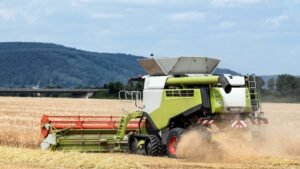

For agricultural investors, equipment manufacturers and food entrepreneurs, cooperation can begin at almost any point between the farm and the consumer.
Irrigation, mechanisation, storage, refrigerated transport, packaging and food processing offer business models worth developing with local partners. Equipment suppliers can combine sales with maintenance and operator training. Food companies can explore processing partnerships that connect producers with retail, hospitality and institutional buyers.
An entrepreneur supplying machinery, for example, can develop a continuing service business around spare parts, technical support and equipment upkeep. An investor in processing can work with producer groups and distributors to connect raw-material supply with a dependable sales channel.
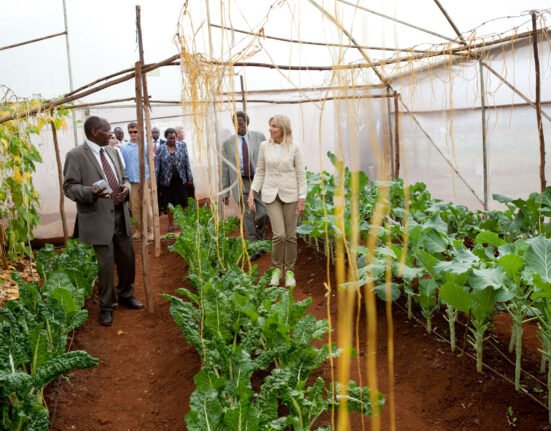
There is an institutional foundation for agricultural exchange. In March 2025, Embrapa announced an Africa–Brazil dialogue with the Inter-American Institute for Cooperation on Agriculture and the Brazilian Cooperation Agency, focused on innovation, food security and knowledge exchange.
The business action is clear: bring producers, technology providers, processors and buyers into the same conversation. Build a project around a defined crop, customer and p,roduction target, with local expertise shaping its operation.
Manufacturing And Logistics: Expand Through Local Partners
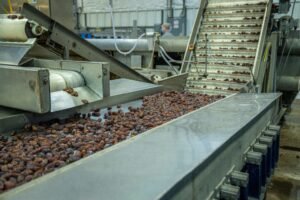

Manufacturers can approach new markets through distribution agreements, technical representation, assembly partnerships or joint production. Each model creates a different route to customers and a different level of commitment.
Industrial machinery, agricultural equipment, packaging systems and processing technology are areas where entrepreneurs can develop proposals linking product supply with installation, servicing and training.
Logistics businesses can support these ventures through warehousing, shipment coordination, cold-chain services and regional distribution.
The commercial opportunity is to help customers move goods reliably from the point of production to the point of sale.
Start with a manageable product range and a partner capable of supporting customers. A successful first operation can provide the experience and customer relationships needed for expansion.
ENERGY: CONNECT TECHNOLOGY WITH PROJECT DEVELOPERS
Renewable power, biofuels and waste-to-energy offer avenues for cooperation among technology suppliers, agricultural enterprises, industrial users and project developers.
Businesses can begin by defining a practical use: power for a processing facility, energy services for an industrial customer, or productive use of an available agricultural residue or waste stream. That gives investors a clearer project to assess and operators a specific solution to develop.
Equipment supply, engineering, operation, maintenance and technical training can each form part of the business model. A partnership may therefore create opportunities for several companies rather than depend on one investor delivering every component.
Project developers should bring together the resource supplier, technology partner, prospective customer and financing team early. A credible proposal connects feedstock or fuel availability, permits, operating costs and revenue arrangements in one executable plan.
TECHNOLOGY: CREATE PRODUCTS THAT TRAVEL
Software developers and digital entrepreneurs can expand through partnerships that adapt existing solutions to new customers.
Business-management software, agricultural platforms, e-commerce tools and digital payment services offer possible starting points. A local partner can contribute distribution, customer support and knowledge of how businesses operate; a technology partner can contribute product development and technical capacity.
The opportunity runs both ways. African technology enterprises can also explore customers, collaborators and distribution partnerships in Brazil.
For founders, a focused pilot is a practical first step. Select a customer group, define the problem, adapt the product and agree on how success will be measured. Build expansion around customer demand, suitable pricing and reliable support, with applicable licensing and data requirements addressed from the outset.
AVIATION, TOURISM AND BUSINESS TRAVEL: ORGANISE THE CONNECTION
Travel entrepreneurs can help turn cross-border interest into productive visits. Trade missions, factory tours, exhibitions, professional exchanges and cultural programmes all create possibilities for specialised services.
A business delegation needs a purposeful itinerary: relevant appointments, site visits, interpretation, accommodation and local transport. Operators who coordinate those elements can become valuable partners to exporters, investors and business associations.
Tourism companies can also develop programmes connecting cultural interests with hospitality, gastronomy and commercial networking. The immediate action is to build a clearly defined package for a specific audience and confirm transport, entry requirements and service arrangements before selling it.
CHOOSE YOUR MARKET AND YOUR ENTRY MODEL
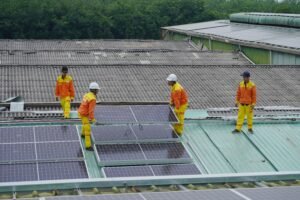

Egypt, South Africa, Nigeria, Angola and Mozambique offer different starting points for a Brazil–Africa business strategy.
They illustrate commercial possibilities rather than a ranking of investment destinations.
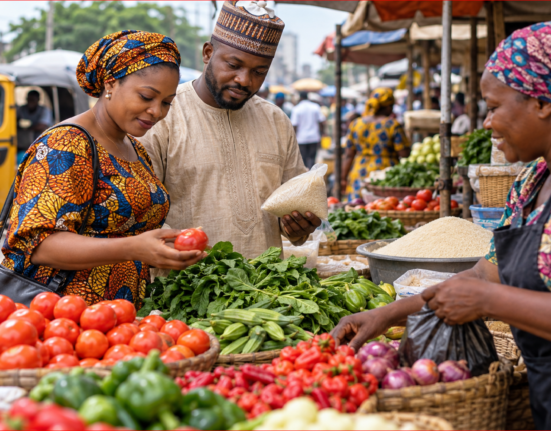
Companies focused on food supply, processing and logistics can assess Egypt. Industrial suppliers and technology businesses can explore partnerships in South Africa. Entrepreneurs in food processing, agricultural equipment, healthcare supplies and digital services can develop customer-led proposals for Nigeria.
For Angola and Mozambique, shared Portuguese can facilitate commercial dialogue around agriculture, energy, logistics and technical services. In every market, the strongest entry point is a specific customer need matched with a capable partner.
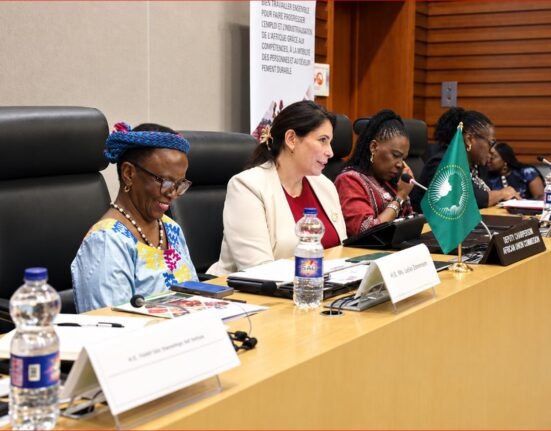
Businesses considering regional production should also incorporate the African Continental Free Trade Area into their planning. Its objectives include expanding intra-African trade, strengthening regional value chains and supporting industrial development.
Qualifying local production may create a route to regional customers, subject to applicable tariff arrangements and rules of origin.
Goods exported directly from Brazil do not automatically receive AfCFTA preferences. Investors should assess the relevant product rules when choosing a production location and business model.
MAKE YOUR FIRST MOVE
The next step does not have to be a major factory investment. It can be a distribution agreement, a paid pilot, a servicing partnership or a first supply contract that creates a foundation for growth.
For entrepreneurs and investors ready to move forward:
• Select one market and a clearly defined customer group.
• Present a specific product, service or project with a credible commercial benefit.
• Identify partners with complementary capabilities and verify their operating credentials.
• Agree on responsibilities, costs, payment terms and measurable milestones.
• Launch a manageable first operation and use its results to guide expansion.
African exporters looking toward Brazil can follow the same approach: identify buyers, prepare products for local requirements and establish distribution and support. Growth becomes more durable when businesses develop opportunities in both directions.
YOUR NEXT PARTNERSHIP CAN START HERE
Afribraz Global Business Magazine invites entrepreneurs, investors, manufacturers, technology providers, tourism operators and business organisations to bring their interests into the Brazil–Africa business conversation.
Be specific about what you offer and what you seek: a distributor, buyer, supplier, technology partner, project developer or investment collaborator. Include your sector, target market and proposed form of cooperation so that a first conversation has a clear purpose.
Expressions of business interest can be directed to contact@afribrazglobalbusiness.com. Explore the magazine at https://afribrazglobalbusiness.com for Brazil–Africa business coverage and perspectives.
The next phase of this relationship will be built by companies that make connections, develop workable proposals and deliver for their customers. For business people ready to grow across the Atlantic, the opportunity begins with a concrete first move.
SOURCES
[1] Brazilian foreign-trade statistics
[2] MDIC/Secex
[3] Embrapa
[4] African Union