


Brazil stands as the largest economy in Latin America and one of the most resource-rich nations in the world. From agriculture to industrial goods, the country is both a global supplier and a massive consumer market. For African and international entrepreneurs, entering Brazil’s import-export space offers real opportunity—but only for those who understand the system.
Who Can Import and Export in Brazil?
In Brazil, import and export activities are regulated and structured. The following entities are eligible:
- Registered Companies (Legal Entities)
Any company legally registered in Brazil (with a CNPJ) can engage in foreign trade. - Individual Entrepreneurs (MEI or Sole Proprietors)
Small-scale operators can import/export under certain limits, but restrictions apply. - Trading Companies (Import/Export Agents)
Businesses that operate on behalf of others—very common for beginners.
All importers and exporters must be registered with the Receita Federal do Brasil and integrated into the national foreign trade system.
The Backbone System: SISCOMEX
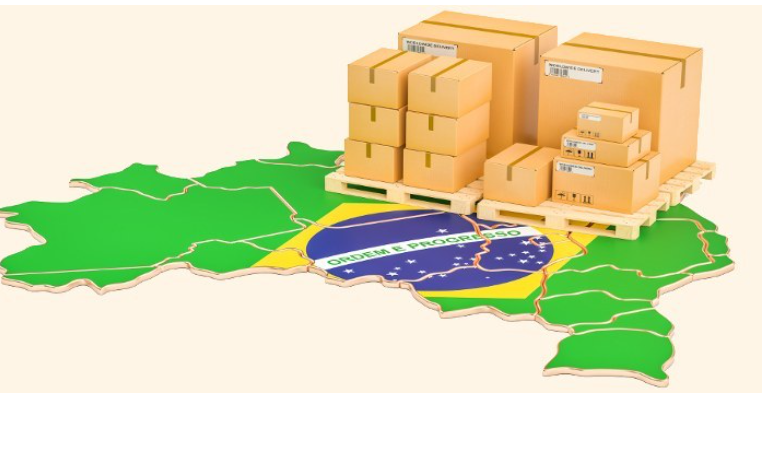
The entire import-export process in Brazil revolves around SISCOMEX (Sistema Integrado de Comércio Exterior).
This digital platform connects:
- Customs authorities
- Tax authorities
- Central Bank
- Logistics operators
Without SISCOMEX registration, no legal import or export can happen in Brazil.
Step-by-Step: How to Start
1. Company Formation
Register your business legally with a CNPJ (tax ID). Choose an activity classification that allows foreign trade.
2. RADAR License Registration
Before using SISCOMEX, you must obtain the RADAR license through the Receita Federal do Brasil.
Types of RADAR:
- Express (small operations)
- Limited
- Unlimited (for large-scale operations)
3. Engage a Customs Broker
A licensed customs broker helps with:
- Documentation
- Clearance process
- Tax calculations
This step is highly recommended for beginners.
4. Understand Product Classification (NCM Code)
Every product must have an NCM (Mercosur Common Nomenclature) code, which determines:
- Import duties
- Taxes
- Regulatory requirements
5. Licensing and Permits
Some goods require approval from regulatory bodies such as:
- ANVISA (health products, food, cosmetics)
- MAPA (agricultural goods)
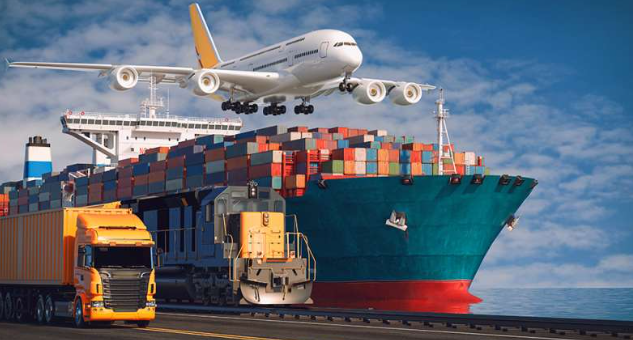
6. Logistics & Shipping
Choose your shipping method:
- Sea freight (most common)
- Air freight (faster, more expensive)
Key ports include:
- Port of Santos (largest in Latin America)
7. Payment and Foreign Exchange
All international payments must go through authorized banks regulated by the Central Bank of Brazil.
Important Procedures Before You Begin
Market Research
Understand:
- Demand in Brazil or abroad
- Competitors
- Price structures
Know Your Taxes
Brazil has a complex tax system. Imports may include:
- Import Duty (II)
- IPI (industrialized products tax)
- ICMS (state tax)
Supplier Verification
Always verify:
- Company legitimacy
- Product quality
- Certifications
Contracts and Documentation
Key documents include:
- Commercial Invoice
- Bill of Lading
- Packing List
- Certificate of Origin
Common Mistakes That Lead to Losses
1. Underestimating Brazilian Bureaucracy
Many beginners assume it is “simple.” In reality, delays in documentation can lead to:
- Storage fees
- Demurrage charges
- Seizure of goods
2. Wrong Product Classification (NCM)
Using the wrong NCM code can:
- Increase taxes unexpectedly
- Cause customs delays
- Lead to fines
3. Ignoring Regulatory Agencies
Importing regulated goods without approval from bodies like ANVISA can result in:
- Goods being destroyed
- Heavy penalties
4. Poor Supplier Due Diligence
Many entrepreneurs lose money by:
- Paying upfront to unreliable suppliers
- Receiving substandard goods
- Facing shipment fraud
5. Lack of Cost Calculation
Hidden costs include:
- Port handling fees
- Customs clearance charges
- Inland transportation
Failure to calculate these leads to zero or negative profit.
6. Currency Exchange Risks

Brazil’s currency (Real) fluctuates. Without planning, exchange rate changes can erase profits.
7. Not Using a Customs Broker
Trying to “save money” here often leads to:
- Costly mistakes
- Delays
- Legal complications
Does It Pay to Invest in Import & Export in Brazil?
Yes, but only with proper planning.
Brazil offers:
- A population of over 200 million consumers
- Strong agricultural exports
- Growing demand for foreign goods
However, success depends on:
- Compliance
- Professional guidance
- Strategic partnerships
Afribraz Insight: Opportunities for Africa–Brazil Trade
There is massive untapped potential between Brazil and Africa in:
- Agro-products (cassava, yam, palm oil)
- Machinery and equipment
- Processed foods
A structured import-export system like Brazil’s, if replicated in African markets, could:
- Improve transparency
- Boost revenue collection
- Enhance regional trade integration
Final Word
Import and export in Brazil is not a “trial-and-error” business—it is a system-driven operation. Those who respect the rules, understand the procedures, and avoid common pitfalls can build highly profitable ventures.
For Afribraz entrepreneurs, the message is clear:
Learn the system first – profit comes after.





Leave feedback about this