
Brazil has built one of the most dynamic agro-processing and small manufacturing ecosystems in the world. With over 38,000 food and beverage companies—more than 90% of them small and medium enterprises , the country demonstrates how local raw materials can be transformed into high-value, scalable consumer products.
For Africa, especially Nigeria, with its large population and growing urban demand—the Brazilian model offers practical, low-to-medium capital manufacturing opportunities that can generate jobs, reduce imports, and increase value addition.
Powdered Juice & Instant Drink Mixes
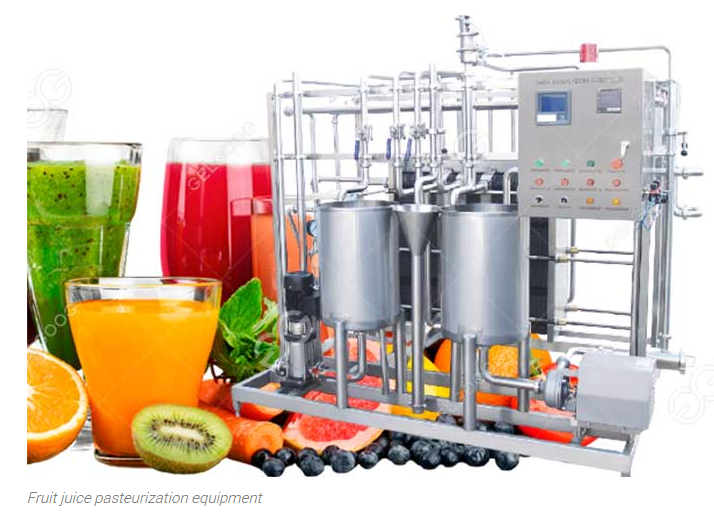
Brazil is the world leader in orange juice production and exports , dominated by companies like Citrosuco and Cutrale. However, beyond large exporters, thousands of small processors produce:
- Powdered juice sachets
- Flavored drink crystals
- Vitamin-fortified beverages
Why it works in Nigeria
- Low production cost
- High demand among low- and middle-income consumers
- Easy distribution (kiosks, street vendors, supermarkets)
- Long shelf life (important for unstable electricity supply)
Business Insight
Brazilian producers often convert surplus or lower-grade fruits into powdered products—minimizing waste and maximizing profit.
Açaí & Fruit Powder Processing


Brazil’s Amazon region produces massive quantities of açaí and tropical fruits. However, raw pulp sells cheaply, while freeze-dried powder can sell up to 10–15x more .
Products:
- Açaí powder
- Mango powder
- Pineapple powder
- Smoothie blends
African Opportunity
Nigeria and other African countries have similar fruits:
- Mango
- Pineapple
- Baobab
- Hibiscus
These can be processed into:
- Health drinks
- Export-grade superfood powders
Key Lesson
Value is not in the raw fruit—it is in processing and branding.
Cassava-Based Industrial Foods
Brazil and Africa share cassava as a staple crop.
Brazilian small-scale outputs:
- Tapioca flour
- Cassava starch
- Instant cassava snacks
- Gluten-free baking mixes
Why it fits Nigeria:
- Nigeria is the world’s largest cassava producer
- Existing familiarity reduces market entry risk
- Can replace imported wheat-based products
Business Potential:
- Packaged garri upgrade (export quality branding)
- Instant fufu powder
- Cassava noodles
Sugarcane By-Products Manufacturing
Brazil is a global leader in sugarcane processing, using every part of the crop.
Small-scale products include:
- Brown sugar (packed retail)
- Molasses
- Ethanol-based cleaning products
- Organic fertilizers from bagasse
Recent innovations even convert sugarcane waste into fertilizers and bio-products, reducing import dependence .
African Relevance:
Countries like Nigeria already grow sugarcane but underutilize its full value chain.
Packaged Snacks & Street Food Industrialization
Brazil has successfully industrialized everyday street foods.
Examples:
- Cheese bread mix (Pão de queijo)
- Packaged fried snacks
- Peanut-based sweets
- Corn-based snacks
Nigerian Equivalent:
- Chin chin (industrial packaging)
- Plantain chips
- Groundnut snacks
Key Advantage:
Turning informal foods into branded supermarket products
Meat & Frozen Food Processing (Mid-Level Scale)
Companies like Sadia built global brands from processed meat and frozen foods.
Small-scale adaptation:
- Sausages
- Frozen chicken cuts
- Ready-to-cook meals
Why viable in Nigeria:
- Rapid urbanization
- Growing middle class
- Demand for convenience foods
Natural Wax & Agro-Industrial Inputs
Brazil produces carnauba wax, mostly exported in powder form .
Uses:
- Cosmetics
- Pharmaceuticals
- Food coating
African Potential:
- Shea butter processing
- Palm-based industrial oils
- Natural cosmetic production
Coffee & Instant Beverage Processing


Brazil is the world’s largest coffee producer, and small companies produce:
- Instant coffee sachets
- Coffee blends
- Ready-to-drink beverages
African Opportunity:
Countries like Nigeria, Ethiopia, and Uganda can:
- Move from raw export → finished consumer products
- Capture more value locally
Why Brazil’s Model Works for Africa
Brazil’s success is built on three key principles:
Local Raw Materials → Industrial Products
Brazil processes over 60% of its agricultural output .
Small Businesses Drive the Sector
Micro and small enterprises dominate the industry.
Export + Domestic Balance
About 72% of production serves local markets —ensuring stability.
Common Mistakes African Entrepreneurs Must Avoid
Drawing lessons from Brazil:
- ❌ Exporting raw materials instead of processed goods
- ❌ Ignoring packaging and branding
- ❌ Lack of quality control and certification
- ❌ Poor distribution networks
- ❌ Overdependence on imports for inputs
Conclusion: A Blueprint for Nigeria & Africa
Brazil proves that industrial power does not start with heavy factories—it starts with smart processing of what you already have.
For Nigeria and Africa, businesses like:
- Powdered juice
- Cassava derivatives
- Fruit powders
- Snack packaging
are not just viable—they are transformational.
The opportunity is clear:
Move from farm → factory → finished product → brand → export.