
Across the vast landscapes of Brazil—from the forests of the Amazon to the rural valleys of the Northeast—thousands of communities preserve a powerful legacy of African resistance and cultural resilience. These communities, known as Quilombolas, are descendants of Africans who escaped slavery and established independent settlements called quilombos. Today, they represent one of the most important living links between Africa and Brazil’s social and cultural identity.
Origins: Communities Born from Resistance
The roots of quilombola communities date back to Brazil’s colonial period, when millions of Africans were forcibly brought to the country through the transatlantic slave trade. Many enslaved people resisted by escaping plantations and forming autonomous settlements in remote forests, mountains, and river valleys. These settlements were called quilombos.
The most famous historical quilombo was the Quilombo dos Palmares, a powerful community that existed in northeastern Brazil during the 17th century. Palmares became a symbol of resistance and freedom, attracting thousands of formerly enslaved Africans and Indigenous allies.
After the abolition of slavery in 1888, many descendants of these communities continued to live on the same lands, forming what are now known as quilombola communities.
A Significant Population Across the Nation
According to the 2022 national census, Brazil has about 1.3 million quilombolas, living in thousands of communities across the country.
Key figures include:
-
Around 1,327,802 people identify as quilombolas in Brazil.
-
There are more than 8,400 quilombola localities across the country.
-
The Northeast region holds nearly 70% of the quilombola population, with states such as Bahia and Maranhão hosting the largest communities.
These communities exist in rural villages, coastal islands, forests, and even urban areas, reflecting the diverse geography of Afro-Brazilian history.
Culture: Living African Heritage in Brazil
Quilombola communities play a vital role in preserving African cultural traditions that shaped Brazilian identity.
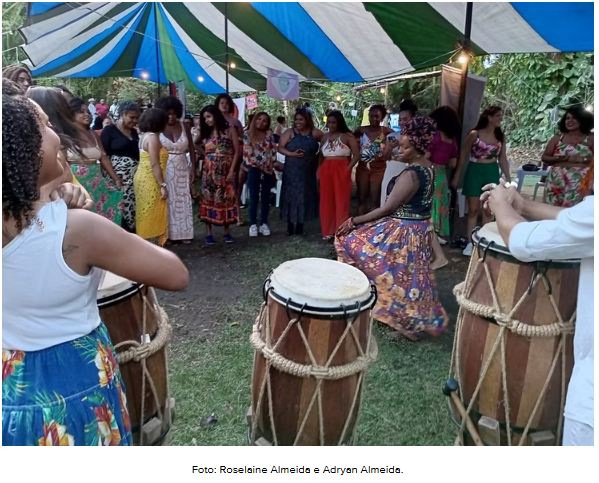
Within many quilombos, traditions such as:
-
African-rooted agriculture
-
Traditional music and dance
-
Spiritual practices
-
Community-based decision making
-
Oral storytelling and ancestral memory
continue to flourish.
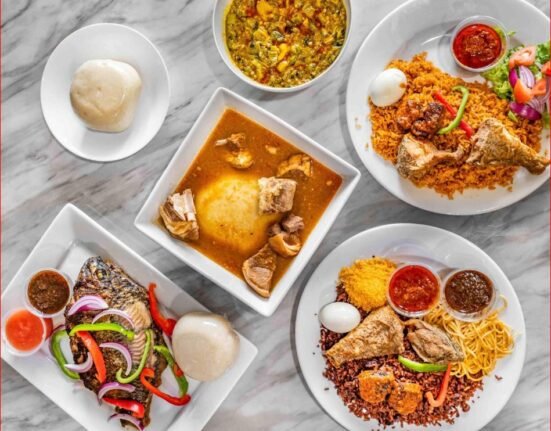
Food traditions are also a strong cultural marker. Dishes made with cassava, palm oil, beans, and tropical fruits reflect deep African culinary influence—similar to many African food traditions that shaped Brazil’s modern cuisine.
These cultural practices connect quilombolas not only to their ancestors in Brazil but also to broader African heritage across the Atlantic.
The Struggle for Land and Rights
Despite their historical importance, quilombola communities have faced centuries of marginalization. Their biggest challenge remains land recognition and territorial rights.
The 1988 Brazilian Constitution officially recognized the rights of quilombola communities to their ancestral lands.
However, progress has been slow:
-
Only a small portion of quilombola territories are officially titled.
-
Hundreds of land recognition processes remain unresolved.
-
Many communities face threats from deforestation, mining, infrastructure projects, and land disputes.
Without secure land titles, communities often struggle to access infrastructure, education, and public services.
Environmental Guardians of Brazil
In many parts of Brazil, quilombola communities are also protectors of the environment. Their traditional ways of farming, fishing, and forest management help preserve ecosystems such as the Amazon and Atlantic Forest.
By cultivating crops sustainably and protecting biodiversity, quilombolas demonstrate how traditional knowledge can contribute to environmental conservation and climate resilience.
A Symbol of Afro-Brazilian Identity
Today, quilombola communities are increasingly recognized as symbols of Black resistance, heritage, and cultural survival in Brazil. Activists, scholars, and community leaders are working to strengthen political representation, land rights, and cultural recognition.
For many Afro-Brazilians, quilombos represent more than historical settlements—they are living monuments to the fight for freedom and dignity.
Looking Forward
As Brazil continues to confront the legacy of slavery and racial inequality, the story of quilombola communities remains central to the nation’s future.
Their struggle highlights broader questions of historical justice, land rights, and cultural preservation. At the same time, their resilience demonstrates the enduring power of African heritage in shaping Brazil’s identity.
From remote villages to national debates on racial equality, quilombolas continue to remind Brazil—and the world—that the spirit of resistance and community remains alive.