The “Bush Medicine” Economy
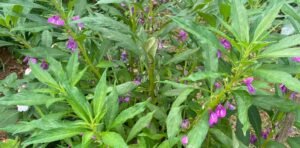
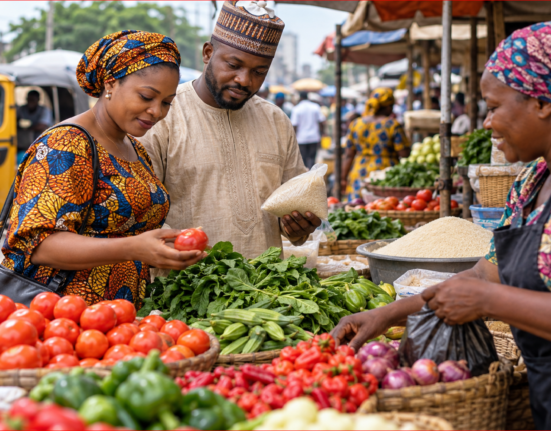
Today, Jamaica’s herbal sector operates at the intersection of tradition and enterprise. Informal markets, herbal vendors, and community healers, often referred to as “bush doctors,” form the backbone of this ecosystem. At the same time, a new generation of entrepreneurs is transforming traditional remedies into packaged products for local and international markets.
Popular herbs such as:
- Cerasee (used for detoxification and blood cleansing)
- Guinea Hen Weed (immune support and anti-inflammatory uses)
- Soursop leaves (relaxation and wellness teas)
- Ginger and turmeric (widely exported for their medicinal value)
are increasingly being commercialized into teas, supplements, oils, and skincare products.
This shift is positioning Jamaica within the global herbal and natural wellness market, valued at hundreds of billions of dollars and growing annually.
Global Demand and Export Potential
The rise of organic lifestyles, plant-based medicine, and preventive healthcare has created a surge in demand for natural remedies worldwide. Jamaican herbal products are uniquely positioned to benefit from this trend due to their authenticity, biodiversity, and cultural narrative.
Diaspora communities in North America and Europe already form a strong consumer base. Beyond that, there is untapped potential in Africa, Latin America, and Asia—regions that share similar traditions and are increasingly open to cross-cultural wellness products.
Challenges: Regulation, Standardization, and Investment
Despite its promise, Jamaica’s herbal sector faces structural challenges:
- Lack of standardization: Many remedies are still produced informally without consistent dosage or quality control.
- Limited scientific validation: While traditional knowledge is strong, global markets require clinical backing and certification.
- Regulatory barriers: Exporting herbal products often involves strict international compliance standards.
- Underinvestment: The sector remains largely underfunded compared to pharmaceuticals.
Addressing these gaps will be critical for scaling the industry and attracting international investors.
Lessons for Africa and Emerging Markets
For Africa and other developing regions, Jamaica offers a powerful case study in how traditional knowledge can be transformed into economic value. The parallels are striking: rich biodiversity, deep-rooted herbal traditions, and growing youth-driven entrepreneurship.
Key takeaways include:
- Formalizing informal sectors without losing cultural authenticity
- Investing in research and development to validate traditional remedies
- Building brands around heritage and storytelling
- Creating export-ready products that meet global standards
Africa, with its vast herbal resources, has the potential to build a multi-billion-dollar industry by learning from Jamaica’s evolving model.
Cultural Capital as Competitive Advantage
What sets Jamaica apart is not just its herbs, but its story. In a competitive global market, authenticity matters. Consumers are increasingly drawn to products with cultural depth, sustainability, and ethical sourcing.
Jamaica’s herbal healing tradition embodies all three. It is a narrative of resilience, innovation, and harmony with nature, qualities that resonate strongly with modern consumers.
The Road Ahead
The future of Jamaica’s herbal industry lies in strategic collaboration between the government, private sector players, researchers, and traditional practitioners. With the right policies, investment, and global partnerships, Jamaica could become a leading exporter of high-quality herbal products and wellness solutions.
Conclusion
Jamaica’s natural, traditional herbal healing is more than a legacy; it is a living, evolving industry with global relevance. For Afribraz Global Business Magazine readers, it represents a compelling intersection of culture, commerce, and innovation.
As the world turns increasingly toward natural health solutions, Jamaica offers a clear message: the future of medicine may well be rooted in the wisdom of the past.