
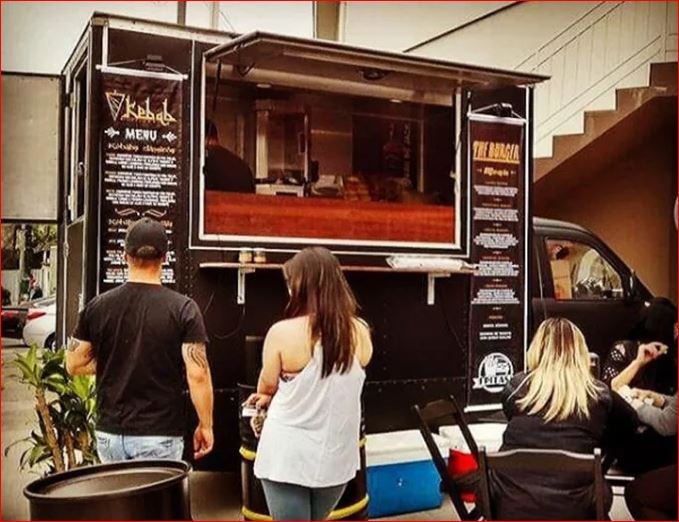
In Brazil’s fast-moving urban lifestyle, one business model continues to grow quietly yet powerfully—the food truck. Often underestimated and misunderstood, this mobile food business has proven to be one of the most flexible, low-cost, and highly profitable ventures in the food service industry.
While many entrepreneurs still chase expensive restaurant setups, smart investors are turning to food trucks – where mobility meets profitability.

Why Many Ignore the Food Truck Business
Despite its potential, the food truck sector in Brazil is still overlooked for several reasons:
• Perception as “informal” or “small-scale.”
• Lack of proper business knowledge
• Fear of regulations and permits
• Belief that only restaurants make “real money.”
However, this perception is outdated.
Food trucks have evolved from simple street vendors to modern, gourmet, and brand-driven businesses, offering diverse cuisine and premium experiences.
How Viable is the Food Truck Business in Brazil?
The truth is simple: very viable, if done right.
Key Market Realities:
• Brazilians spend over 30% of their food budget eating outside the home
• Urban lifestyles favor fast, accessible meals
• Events, festivals, and nightlife create constant demand
• Entry cost is far lower than opening a restaurant
Profit Advantage:
• No need for expensive rent in prime locations
• Ability to move to high-demand areas
• Strong margins during events and festivals
Even though competition has increased in some cities, strategic positioning (events, partnerships, niche cuisine) still makes it a highly profitable venture with relatively low investment
Why Brazil is Perfect for a Food Truck Business


Brazil offers a uniquely supportive environment:
1. Legal Recognition
Cities like São Paulo have had formal laws regulating and supporting food trucks since 2013, making the business legitimate and structured
2. Decentralized Opportunities
Each state and city creates its own rules—this allows entrepreneurs to find less saturated and more flexible markets
3. Strong Street Food Culture
Brazil already embraces:
• Street snacks (salgados, pastel, açaí)
• Outdoor eating culture
• Nightlife and open-air events
4. Event Economy
Food trucks thrive in:
• Music festivals
• Cultural fairs
• Business events
• Private catering
Step-by-Step Guide to Starting a Food Truck Business
Step 1: Define Your Concept
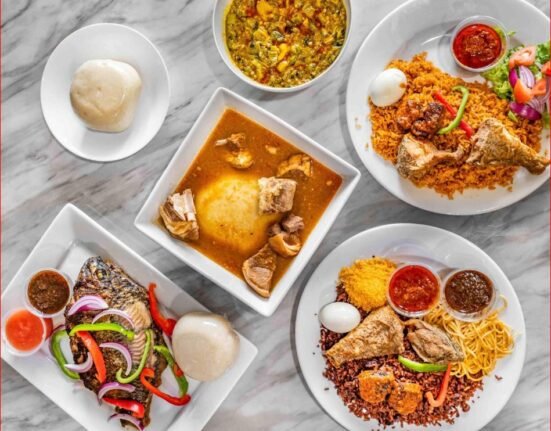
• Choose a niche (e.g., African cuisine, burgers, smoothies, Brazilian fusion)
• Focus on uniqueness and speed of service
Step 2: Market Research
• Identify high-traffic locations
• Study competitors
• Understand customer preferences
Step 3: Business Registration
• Register as MEI or company (CNPJ)
• Obtain municipal permits
Step 4: Licenses & Compliance
You will need:
• Health surveillance approval
• Food safety certification
• Operating license
• Compliance with food handling regulations (RDC 216)
Step 5: Acquire and Equip Your Truck
• Buy or convert a van/truck
• Install:
o Cooking equipment
o Water system
o Storage
o Power supply
Step 6: Create a Simple Menu
• Limited items = faster service + higher efficiency
• Focus on high-margin products
Step 7: Choose Strategic Locations
• Offices during weekdays
• Events on weekends
• Partnerships with bars, malls, or parks
Step 8: Branding & Marketing
• Strong brand name and design
• Social media presence (Instagram is key in Brazil)
• Visibility = sales
How This Business Can Make You Rich
A well-managed food truck can generate:
• Daily consistent income (street sales)
• High-profit spikes (events & festivals)
• Expansion opportunities (multiple trucks or franchise)
Scaling strategy:
1. Start with one truck
2. Build brand recognition
3. Expand to multiple locations
4. Create a food truck network or franchise
This is how small operators turn into multi-unit food brands.
Common Mistakes to Avoid
1. Starting Without a Clear Concept
Generic food = weak brand = low sales
2. Ignoring Location Strategy
A great product in a bad location will fail
3. Overloading the Menu
Complex menus slow service and increase waste
4. Neglecting Regulations
Failure to comply with health and licensing laws can shut you down
5. Poor Financial Management
Many underestimate:
• Fuel costs
• Maintenance
• Staff costs
6. No Event Strategy
Food trucks make their biggest profits at events—not just daily street sales
Real Entrepreneur Insight (From Operators)
From real-world discussions among food truck operators:
“It’s not a hobby… It’s a huge endeavor and life choice.”
This highlights an important truth:
Success requires both cooking skill and strong business management.
Final Thoughts
The food truck business in Brazil is not just a trend; it is a modern entrepreneurial pathway that combines:
• Low startup cost
• High flexibility
• Scalable growth
• Strong cultural fit
For African and Brazilian entrepreneurs, especially within the Afribraz network, this sector offers a powerful entry point into the food industry without the heavy financial burden of traditional restaurants.
The opportunity is not small—only underestimated.