

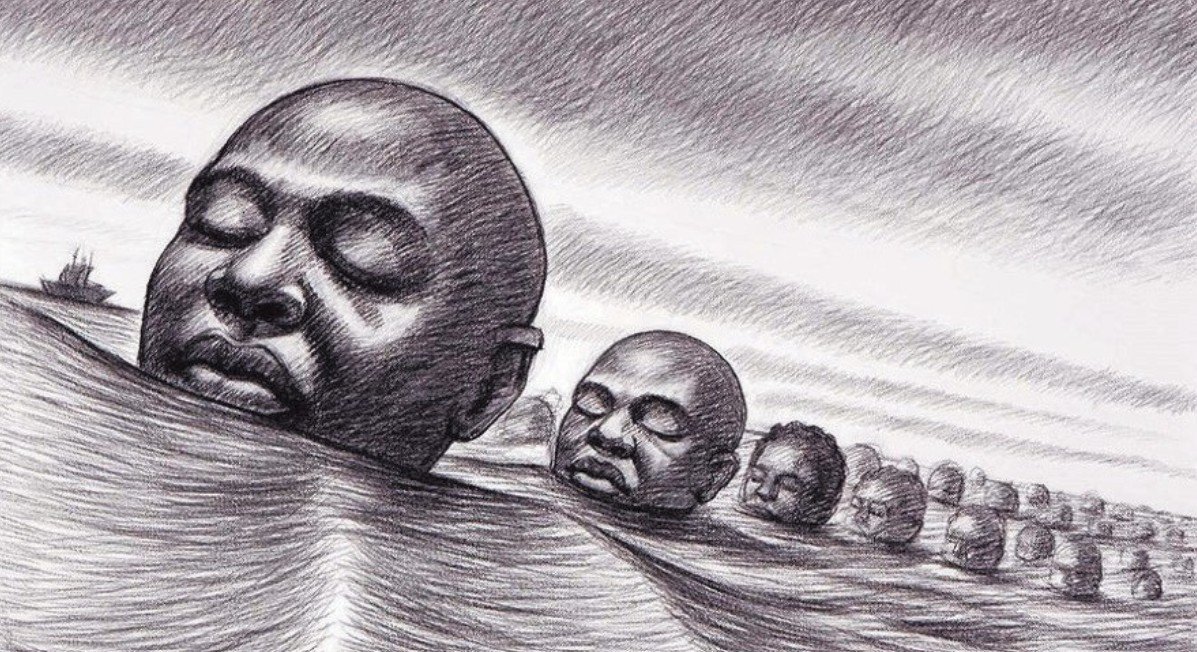
In the long and painful history of the transatlantic slave trade, few events capture the spirit of resistance and cultural dignity like Igbo Landing. More than a historical episode, Igbo Landing has become a powerful symbol of freedom, identity, and the unbreakable will of a people.
What Is Igbo Landing?
Igbo Landing refers to a tragic yet deeply symbolic event that occurred in 1803 on the coast of St. Simons Island, in the United States.
A group of captured Africans, believed to be predominantly from the Igbo ethnic group of present-day southeastern Nigeria, were being transported into slavery. Upon arrival, rather than accept a life of bondage, they chose resistance in its most extreme form.
According to oral histories and recorded accounts, the captives revolted against their captors, walked together into the water, and drowned themselves—choosing death over enslavement.
This act has since been remembered not as a defeat, but as a profound declaration of autonomy and spiritual resistance.
The Cultural and Spiritual Meaning
Among the Igbo people, there is a long-standing belief in spiritual return—an idea that the soul can find its way back home even after death.
The story of Igbo Landing is often tied to legends that the enslaved did not truly die but instead “walked back” across the ocean to Africa. This belief reinforces the Igbo worldview of:
- Spiritual continuity
- Ancestral connection
- Resistance to oppression
In many ways, Igbo Landing is not just history—it is mythology, identity, and philosophy intertwined.
What People Want to Know About Igbo Landing

1. Did It Really Happen?
Yes, Igbo Landing is supported by historical documentation, though much of its emotional depth comes from oral tradition passed down through generations of African Americans and Igbo descendants.
2. Why Is It So Important?
It represents one of the earliest recorded acts of collective resistance against slavery in North America. Unlike rebellions that aimed to escape, this act was a refusal to submit entirely.
3. Is It Only a Tragedy?
Not at all. While tragic, it is widely viewed as a story of courage, dignity, and defiance. It challenges the narrative of passive victimhood and highlights African agency.
4. How Is It Remembered Today?
Igbo Landing has influenced literature, music, and film. Notably, themes inspired by the event appear in works like Black Panther, where the idea of enslaved Africans choosing death over bondage is powerfully depicted.
The site itself has become a place of reflection and cultural memory in the United States.
5. What Does It Mean for the African Diaspora?
For Africans and descendants in Brazil, the Caribbean, and the United States, Igbo Landing is a shared symbol of:
- Resistance against injustice
- Preservation of identity
- The enduring connection to African roots
Igbo Landing and Brazil: A Cultural Reflection
For Afro-Brazilian communities, particularly in cities like São Paulo, Salvador, and Rio de Janeiro, the story resonates deeply. Brazil received the largest number of enslaved Africans during the slave trade, and stories like Igbo Landing echo similar acts of resistance in Brazilian history.
It serves as a reminder that across continents, Africans resisted—not just physically, but spiritually and culturally.
A Legacy That Lives On
Today, Igbo Landing stands as more than a historical site—it is a symbol of human dignity. It forces the world to confront a difficult past while honoring those who refused to let their humanity be stripped away.
For Afribraz Global readers, this story is not distant history. It is a shared heritage—one that continues to inspire conversations about identity, resilience, and the meaning of freedom.
Afribraz Global Insight:
Understanding Igbo Landing is not just about remembering the past—it is about reclaiming narratives, strengthening diaspora connections, and ensuring that stories of resistance are never forgotten.






Leave feedback about this