

In today’s rapidly evolving global landscape, healthcare is no longer viewed through a single lens. Across Africa, Latin America, and beyond, two powerful systems continue to shape how people understand healing: traditional medicine and modern clinical practice. The coexistence of the native doctor and the medical doctor reflects not a conflict, but a deeper story about culture, science, and human belief.
Two Systems, One Goal: Healing Humanity
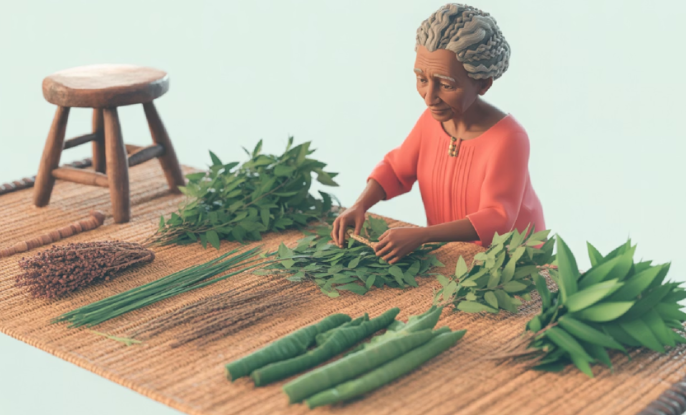
Traditional healers—commonly referred to as native doctors—draw their knowledge from centuries-old practices rooted in Traditional African Medicine. Their approach is holistic, blending herbal remedies, spiritual insight, and community-based care.
On the other hand, medical doctors represent the structured world of Modern Medicine—a system built on scientific research, standardized training, and technological advancement.
While their methods differ significantly, both share a common mission: restoring health and preserving life.
The Native Doctor: Custodian of Culture and Spiritual Insight
In many African societies, the native doctor is far more than a healer. He or she is a custodian of tradition, a mediator between the physical and spiritual realms, and a trusted advisor in times of uncertainty.
Their importance includes:
- Preserving indigenous knowledge systems
- Providing affordable and accessible care
- Addressing spiritual and emotional dimensions of illness
- Strengthening community identity
Despite modernization, their influence remains strong, particularly in rural areas and among culturally rooted populations.
The Medical Doctor: Science, Precision, and Global Standards
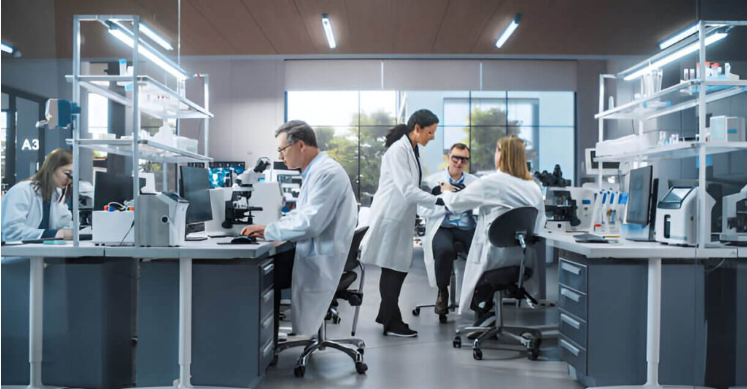
Medical doctors operate within a globally recognized framework of diagnosis, treatment, and prevention. Their training equips them to handle everything from infections to complex surgeries.
Their role is critical in:
- Managing life-threatening conditions
- Delivering emergency and surgical care
- Advancing public health through vaccines and research
- Increasing life expectancy and quality of life
They are widely regarded as the backbone of modern healthcare systems.
Perception in Society: Respect, Doubt, and Evolution
Society’s perception of these two roles often reflects a tension between tradition and modernity.
- Native doctors are revered in traditional settings but sometimes misunderstood in urban environments.
- Medical doctors are highly respected globally, though occasionally seen as distant from cultural realities or financially inaccessible.
However, this divide is gradually narrowing as people recognize the value in both systems.
Conclusion: Bridging the Gap
In a world where identities are increasingly global yet deeply rooted, the native doctor and the medical doctor represent two sides of the same coin. One preserves the wisdom of the past; the other advances the possibilities of the future.Together, they offer a more complete vision of healthcare, one that respects tradition while embracing innovation.
Real-Life Case Studies: Where Worlds Meet
Nigeria: Blending Faith, Herbs, and Hospitals
In southeastern Nigeria, among the Igbo people, it is common for families to combine both systems.
A patient suffering from chronic illness may:
- Visit a hospital for diagnosis and medication
- Consult a Dibia (native doctor) for spiritual interpretation and herbal support
This dual approach reflects a deep belief that healing involves both body and spirit.
In cities like Onitsha and Owerri, pharmacies and herbal markets often operate side by side—serving the same population with different solutions.
Brazil: Natural Medicine Meets Modern Healthcare
In São Paulo and across Brazil, there is a growing acceptance of natural and alternative medicine.
Influenced by Afro-Brazilian traditions and Indigenous practices:
- Herbal treatments are widely used
- Spiritual healing practices coexist with hospitals
- Wellness centers integrate natural therapies with clinical care
Brazil’s public health system has even recognized some traditional practices, creating space for integration within formal healthcare.
The Business of Healing: A Growing Industry
Healthcare is not only a social service, it is a multi-billion-dollar global industry. The intersection of traditional and modern medicine presents major business opportunities.
Herbal Medicine Market Expansion
Medical Infrastructure and Investment
Modern healthcare, based on Modern Medicine, continues to expand across Africa.
Key investment areas:
- Private hospitals and diagnostic centers
- Medical tourism between Africa and Brazil
- Telemedicine and digital health platforms
Cross-Continental Collaboration (Africa–Brazil)
There is a unique opportunity for Afro-Brazilian partnerships:
- Brazil’s expertise in public health systems
- Africa’s rich biodiversity and herbal knowledge
- Joint ventures in pharmaceuticals and wellness products
This collaboration aligns perfectly with the mission of Afribraz – bridging continents through business and culture.
Challenges to Address
Despite the opportunities, several issues remain:- Lack of regulation in traditional medicine
- Mistrust between practitioners of both systems
- Quality control and safety concerns
- Limited scientific validation of some herbal treatments
Conclusion: A New Healthcare Economy
From the villages of Nigeria to the urban centers of Brazil, the story of healing is evolving. The native doctor and the medical doctor are no longer operating in isolation—they are shaping a new healthcare ecosystem.
One that is:
- Culturally grounded
- Scientifically advanced
- Economically promising
For investors, policymakers, and communities alike, this is more than a health conversation—it is a gateway to a thriving global industry.


Leave feedback about this