


From 2015 to 2026, relations between Ethiopia and Brazil have evolved into a dynamic South–South partnership, driven by diplomacy, aviation connectivity, trade expansion, and multilateral cooperation. Though diplomatic ties date back to 1951, the past decade has been particularly transformative.
Diplomatic Relations: Stability, Interruptions, and Renewed Momentum
Since 2015, bilateral diplomacy has remained active, albeit with moments of disruption:
- Ethiopia maintained its embassy in Brasília, originally opened in 2011, marking its first diplomatic mission in South America.
- In 2021, due to internal challenges, including the Tigray conflict, Ethiopia temporarily closed its embassy in Brazil, before reopening it in 2022–2023 with renewed diplomatic engagement.
- Brazil continues to operate its embassy in Addis Ababa, a strategic diplomatic hub given Ethiopia’s role as host of the African Union.
High-level visits have reinforced ties:
- In 2016, Brazil’s Foreign Minister Mauro Vieira visited Ethiopia.
- In 2024, President Luiz Inácio Lula da Silva made a landmark visit to Ethiopia, signaling renewed strategic interest.
Diplomatic consultations, including the 2021 bilateral political dialogue, have focused on global cooperation, development, and economic partnerships.
Trade and Business Affairs: Expanding Economic Frontiers

The Ethiopia–Brazil relationship has increasingly shifted toward economic diplomacy:
Key Agreements and Cooperation
- Double taxation agreement on air and maritime transport (2015)
- Trade and investment promotion agreements (2018)
- Agricultural, science, and technology cooperation
Brazil’s agricultural research giant (Embrapa) has collaborated with Ethiopian institutions on soil management and sustainable agriculture—key for Ethiopia’s food security ambitions.
Emerging Business Sectors
Since 2015, cooperation has expanded into:
- Agriculture & Agribusiness
- Renewable Energy
- Manufacturing
- Tourism and Hospitality
Recent reports highlight growing Brazilian investments in Ethiopia, particularly in energy and industrial sectors, reflecting Ethiopia’s position as one of Africa’s fastest-growing economies.
Aviation and Connectivity: The Game Changer
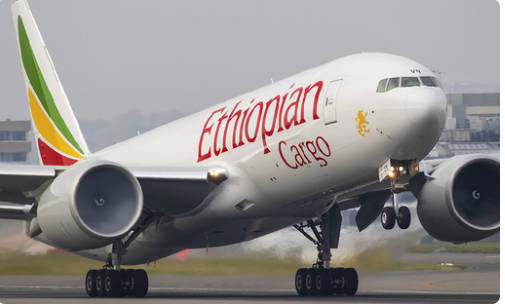
No sector has strengthened Ethiopia–Brazil ties more than aviation.
Direct Air Links
Ethiopian Airlines operates direct flights between São Paulo and Addis Ababa, serving as a vital bridge between Africa and Latin America.
These flights:
- Facilitate trade logistics and cargo movement
- Boost tourism and business travel
- Strengthen diaspora and cultural exchanges
Strategic Airline Partnerships
- In 2016, Ethiopian Airlines signed a codeshare agreement with Avianca Brazil, expanding connectivity across Brazilian cities.
Impact
According to recent diplomatic insights, direct flights have:
- Increased trade volumes
- Enabled Brazilian corporate entry into Ethiopia
- Strengthened people-to-people relations
Multilateral Cooperation and Global Alignment
Both nations collaborate actively in:
- United Nations
- Group of 77
Brazil also holds observer status at the African Union, headquartered in Addis Ababa—further strengthening its diplomatic presence in Ethiopia.
Events, Cultural Exchanges, and Institutional Engagement
Several bilateral and global events have reinforced ties:
- Participation in the Rio+20 Conference (2012) laid the groundwork for sustainability cooperation
- African Union anniversaries and summits have hosted Brazilian leaders
- Business diplomacy forums and embassy-led engagements continue to promote trade and investment
The Ethiopian Embassy in Brazil has been particularly active in engaging Brazilian corporations and investors in recent years.
Challenges and Opportunities
Challenges
- Diplomatic interruptions (2021–2022)
- Limited trade volume compared to potential
- Geographic distance and logistics costs
Opportunities
- Expansion of air cargo and logistics
- Renewable energy cooperation (especially green hydrogen)
- Agribusiness technology transfer
- Tourism development between Africa and Latin America
Conclusion: A Strategic South–South Axis in the Making
Between 2015 and 2026, Ethiopia – Brazil relations have matured into a strategic partnership anchored in diplomacy, aviation, and economic cooperation. With strengthened embassies, expanding airline routes, and growing business engagement, the relationship is entering a new phase, one defined not just by historical ties, but by shared ambitions for global influence and sustainable development.
As both nations position themselves as leaders in the Global South, the Ethiopia – Brazil corridor is emerging as a powerful bridge between Africa and Latin America, driven by connectivity, cooperation, and opportunity.






Leave feedback about this