
AFRIBRAZ GLOBAL BUSINESS MAGAZINE
Trade | Investment | Brazil–Africa Relations
In the evolving landscape of South–South cooperation, the economic relationship between Brazil and Nigeria is emerging as a powerful yet underutilized corridor of trade and investment.
With Brazil’s strengths in agriculture, manufacturing, and agro-industry, and Nigeria’s vast consumer market and industrial ambitions, the synergy between the two nations presents a compelling case for structured trade expansion.
For entrepreneurs, policymakers, and diaspora-led enterprises, this is not just an opportunity; it is a strategic pathway to long-term economic growth.
The Strategic Fit: Why Brazil and Nigeria Complement Each Other
Brazil is one of the world’s leading producers of food, agricultural technology, and industrial inputs. Nigeria, on the other hand, is Africa’s largest economy by population, with over 200 million consumers and a rapidly expanding middle class.
This dynamic creates a natural alignment:
- Brazil produces at scale and efficiency
- Nigeria demands volume and affordability
The result is a trade relationship built on mutual need and economic logic.
Agricultural Commodities: Feeding a Growing Nation


Agriculture remains the strongest pillar of Brazil’s export capacity—and one of Nigeria’s most urgent needs.
Key Export Products:
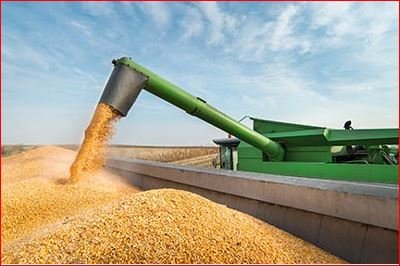
* Soybeans (for oil production and animal feed)
* Corn (maize)
* Refined sugar
* Frozen chicken and beef
Market Insight:
Nigeria faces persistent gaps in domestic food production, particularly in protein supply and animal feed. Brazilian exports offer cost efficiency, consistency, and global-standard quality.
For Nigerian importers, Brazil represents reliability. For Brazilian exporters, Nigeria represents scale.
Processed and Frozen Foods: Serving Urban Demand

Urbanization in cities like Lagos, Abuja, and Port Harcourt is reshaping consumption patterns.
High-Demand Products:
* Frozen poultry cuts
* Sausages and processed meats
* Dairy products (milk powder, butter, cheese)
Opportunity:
Brazil’s advanced food processing industry can meet Nigeria’s demand for affordable, long-shelf-life food products, especially for supermarkets, hotels, and fast-growing restaurant chains.
Agricultural Machinery: Powering Nigeria’s Food Security


Nigeria is actively investing in agricultural transformation—and mechanization is central to that vision.
Export Opportunities:
* Small and medium-sized tractors
* Irrigation systems
* Cassava and grain processing equipment
Strategic Advantage:
Brazil’s experience in tropical agriculture makes its machinery and techniques highly adaptable to Nigerian conditions.
This is not just trade, it is technology transfer and capacity building.
Fertilizers and Agro-Inputs: Boosting Productivity


Improving agricultural yield is a national priority for Nigeria.
Key Products:
* NPK fertilizers
* Crop protection chemicals
* Improved seed varieties
Market Potential:
Brazil’s agro-scientific expertise positions it as a valuable partner in helping Nigeria achieve food security and higher per-hectare productivity.
Consumer Goods: Tapping Into a Young Market
Nigeria’s youthful population is driving demand for branded, convenient consumer products.
Export Opportunities:
Coffee (beans and instant)
Packaged sugar
Snacks and beverages
Insight:
With rising disposable income and urban lifestyles, Nigerian consumers are increasingly drawn to international-quality brands at competitive prices.
Construction Materials: Building the Future
Nigeria’s infrastructure and housing sectors are expanding rapidly.
High-Potential Exports:
* Cement and clinker
* Steel and metal products
* Ceramic tiles and fittings
Why It Matters:
As cities grow, so does demand for durable, cost-effective construction materials—an area where Brazilian industry can compete strongly.
The Role of Diaspora and Business Networks
One of the most powerful drivers of Brazil–Nigeria trade is the diaspora.
Organizations, chambers of commerce, and cultural unions—particularly within São Paulo—are uniquely positioned to:
- Facilitate trust between exporters and importers
- Bridge regulatory and cultural gaps
- Create structured trade channels
For platforms like Afribraz Global Business, this is a defining moment to connect people, capital, and opportunity.
Key Considerations for Successful Trade
To succeed in exporting from Brazil to Nigeria, businesses must focus on:
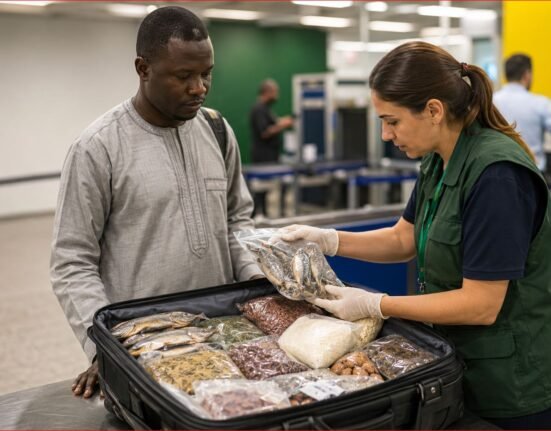
- Regulatory compliance (especially food import standards)
- Strong logistics and cold chain systems
- Reliable Nigerian distribution partners
- Competitive pricing strategies
Trade success is not just about supply—it is about execution and partnerships.
Conclusion: From Opportunity to Action
The Brazil–Nigeria trade corridor is not a distant possibility; it is an immediate and actionable opportunity.
By focusing on high-demand sectors such as agriculture, food processing, machinery, and construction materials, both countries can unlock:
- Increased trade volume
- Job creation
- Industrial growth
- Stronger South–South cooperation
For African and Brazilian stakeholders alike, the message is clear:
The market exists. The demand is real. The time to act is now.
Afribraz Global Business Magazine continues to champion cross-continental partnerships that drive sustainable growth, innovation, and shared prosperity.