

A Cultural and Culinary Renaissance
Across Brazil, African cuisine is quietly but powerfully reshaping the modern culinary landscape. From neighborhood eateries to sophisticated urban restaurants, African food is redefining how Brazilians understand the roots of their own gastronomy. What was once viewed mainly as historical influence is now being recognized as a living, evolving culinary tradition.
Cities like São Paulo and Rio de Janeiro have become centers for this transformation, where African chefs, diaspora communities, and Afro-Brazilian entrepreneurs are introducing authentic African flavors and contemporary interpretations of traditional dishes.
Rediscovering the African Roots of Brazilian Cuisine
Many iconic Brazilian dishes carry strong African heritage. During the colonial era, enslaved Africans brought with them agricultural knowledge, cooking techniques, and ingredients that transformed the culinary landscape of Brazil.
Some of the most recognized dishes include:
-
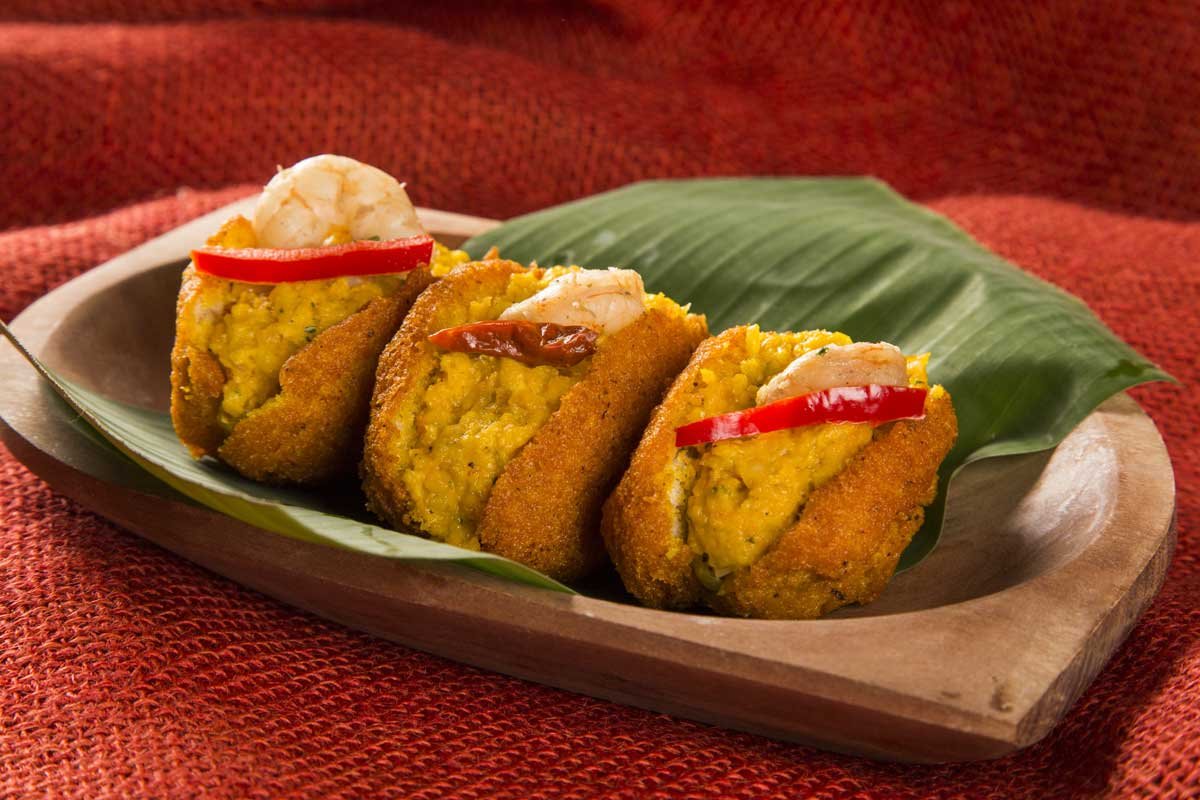
Acarajé – a black-eyed pea fritter rooted in West African cuisine
-
Vatapá – a creamy shrimp and peanut sauce enriched with dendê oil
-
Bobó de camarão – a cassava-based shrimp stew with coconut milk
These dishes, widely celebrated today, reflect the culinary creativity and resilience of African communities who shaped Brazil’s food traditions.
African Restaurants Enter the Brazilian Culinary Scene
In cities like São Paulo—often described as the gastronomic capital of Latin America—African immigrants and Afro-Brazilian entrepreneurs are opening restaurants that introduce authentic African dishes to Brazilian diners.
These restaurants are bringing the flavors of countries such as:
-
Nigeria
-
Angola
-
Cameroon
-
Democratic Republic of the Congo
Menus often feature dishes like Jollof rice, Egusi soup, peanut stews, and grilled meats seasoned with traditional African spices. For many Brazilians, these establishments offer their first authentic experience with contemporary African cuisine.
From Street Tradition to Fine Dining
Historically, African-influenced food in Brazil thrived in street markets and community kitchens, particularly in Bahia where women vendors known as baianas popularized dishes like Acarajé.
Today, however, chefs are elevating these traditions to new culinary heights. African ingredients such as dendê oil, okra, cassava, and plantains are appearing in modern tasting menus and gourmet restaurants.
This transition reflects a growing recognition of African gastronomy as sophisticated, diverse, and globally relevant.
Food as Cultural Diplomacy
African restaurants in Brazil are more than culinary businesses—they are cultural bridges.
They connect African diaspora communities with their heritage while also educating Brazilian society about the continent’s cultural richness. For immigrants from countries like Nigeria and Angola, these restaurants provide spaces of belonging and cultural pride.
At the same time, Brazilian diners gain a deeper understanding of how Africa continues to influence their everyday cuisine.
A New Narrative for Brazil’s Modern Kitchen
Brazil’s culinary identity is evolving. While traditional dishes remain beloved, chefs and food entrepreneurs are increasingly embracing the multicultural roots that define the nation’s gastronomy.
African cuisine, once seen mainly through the lens of history, is now emerging as a dynamic force shaping Brazil’s modern kitchen.
Through restaurants, cultural festivals, and culinary innovation, African food is reclaiming its place—not only as a foundational influence but as a powerful contributor to Brazil’s gastronomic future.
“African cuisine is not just part of Brazil’s past — it is actively shaping the future of Brazilian gastronomy.”






Leave feedback about this