

A Rising Aviation Bridge Between Continents**
The growing air connectivity between Africa and Brazil is redefining global aviation, trade, and cultural exchange. With São Paulo emerging as a strategic hub, African-origin airlines are increasingly positioning themselves as competitive global players in both passenger and cargo transport. This evolution reflects not only improved aviation standards but also a deeper economic alignment between Africa and Latin America.

The Emergence of Africa–Brazil Aviation Connectivity
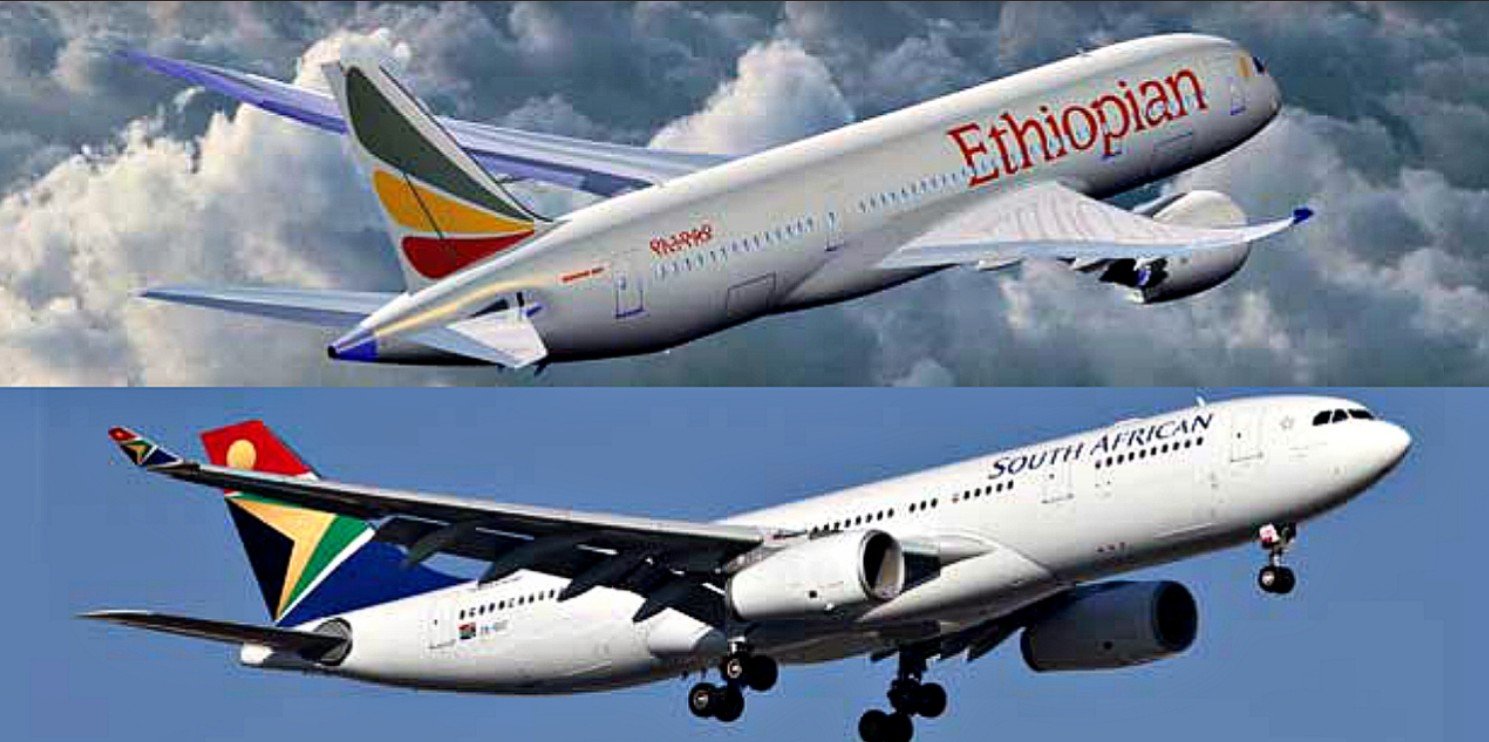
The aviation corridor between Africa and Brazil has witnessed remarkable growth over the past decade. Airlines such as Ethiopian Airlines and South African Airways have established São Paulo as a key gateway linking Africa to South America.
Ethiopian Airlines, Africa’s largest carrier, operates extensive intercontinental routes and has built a strong presence in Brazil, offering connections from São Paulo to Africa, the Middle East, Asia, and Europe.
Similarly, South African Airways connects São Paulo with Johannesburg, reinforcing trade, tourism, and diplomatic ties between the two regions.
São Paulo’s position as Latin America’s financial capital makes it an ideal hub for African carriers seeking access to new markets and logistics networks.
Aircraft and Fleet Competitiveness
African airlines operating in Brazil deploy modern, fuel-efficient, and globally competitive aircraft. A notable example is the Boeing 787 Dreamliner used by Ethiopian Airlines, offering: * Reduced fuel consumption and emissions
* Enhanced passenger comfort (larger windows, better cabin pressure, lower noise levels)
* Advanced avionics and safety systems
These aircraft align with global aviation standards and position African carriers alongside leading international airlines.
In cargo operations, wide-body freighters such as the Boeing 777F play a crucial role in high-volume logistics between Brazil, Africa, and Asia, particularly for e-commerce, pharmaceuticals, and perishables.
Passenger Experience: Comfort and Cultural Advantage

African airlines have increasingly invested in passenger experience, combining global standards with cultural uniqueness:
- Competitive pricing strategy
- Multilingual crew and culturally inclusive services
- Specialized catering (including halal and region-specific meals)
- Premium cabin innovations and hospitality
Ethiopian Airlines, for instance, integrates African hospitality with international service quality, offering differentiated onboard experiences that appeal to both the African diaspora and Brazilian travelers.
Cargo Operations: The Backbone of Profitability

Cargo operations have become a major revenue driver for African airlines. The Africa–Brazil route supports:
- Agricultural exports (fruits, seafood, coffee)
- Industrial goods and machinery
- High-value tech and pharmaceutical shipments
African carriers accounted for over 30% of cargo movement on African routes in 2023, demonstrating their growing logistical strength.
Dedicated cargo services linking Brazil to China via African hubs highlight the strategic positioning of African airlines in global supply chains.
Market Dynamics: Opportunities and Expansion
The Africa Brazil aviation market is driven by several key factors:
1. Diaspora and Cultural Ties
Brazil hosts a large Afro-descendant population, creating natural travel demand for cultural, business, and diplomatic exchanges.
2. Trade Growth
Brazil’s trade with African nations continues to expand, especially in agriculture, mining, and energy sectors.
3. Strategic Hub Positioning
African hubs such as Addis Ababa and Johannesburg serve as efficient transit points connecting multiple continents.
Passenger traffic for African airlines is projected to reach over 113 million by 2025, reflecting strong growth momentum.
Security and Safety Standards
African airlines operating internationally adhere to strict global aviation regulations, including:
- ICAO safety compliance
- IATA operational safety audits
- Advanced airport security systems
- Continuous pilot and crew training
Membership in alliances such as Star Alliance (by South African Airways and Ethiopian Airlines) further reinforces adherence to international best practices.
Profitability and Financial Realities
Profit Drivers
- Cargo operations -high margins
- Long-haul intercontinental routes
- Strategic partnerships and alliances
- Government support, in some cases. Challenges and Loss Factors
- High fuel costs
- Currency volatility in African markets
- Infrastructure limitations
- Competition from European, Middle Eastern, and American carriers
South African Airways, for example, faced financial restructuring due to operational losses before relaunching under a new ownership model.
Advantages of Operating from the Brazil Hub
Access to Latin America’s largest economy
Strong cargo demand and export capacity
Strategic geographic link between Africa and the Americas
Growing tourism and business travel
Disadvantages and Risks
Intense competition from global aviation giants
Regulatory and bilateral air service agreements
Infrastructure bottlenecks in both regions
Economic instability is affecting travel demand
What Africa and Brazil Can Learn
The Africa–Brazil aviation partnership highlights key lessons:
- Connectivity drives economic growth
- Cargo logistics is as critical as passenger travel
- Strategic hubs determine global competitiveness
- Cultural alignment enhances market success
Conclusion: A Strategic Aviation Future
African-origin airlines operating in Brazil are no longer peripheral players – they are becoming central actors in global aviation. With modern fleets, improving service standards, and strong cargo capabilities, they are reshaping transatlantic connectivity.
As trade, diaspora engagement, and geopolitical cooperation deepen, the Africa–Brazil air corridor is poised to become one of the most dynamic aviation routes of the 21st century—linking not just destinations, but continents, cultures, and economic futures.
Afribraz Global Business Insight:
The skies between Africa and Brazil are no longer distant—they are a fast-growing bridge of opportunity.






Leave feedback about this